The ForAllPilots blog
Methods to revise the BIA, PPL and ATPL theory subject by subject, practice guides for pilot psychometric tests, and aviation news explained for future pilots.
Psychometric tests for pilots
Guides to understand the rule of an exercise and practise it with a method. The exercises themselves are in the psychometric tests section.
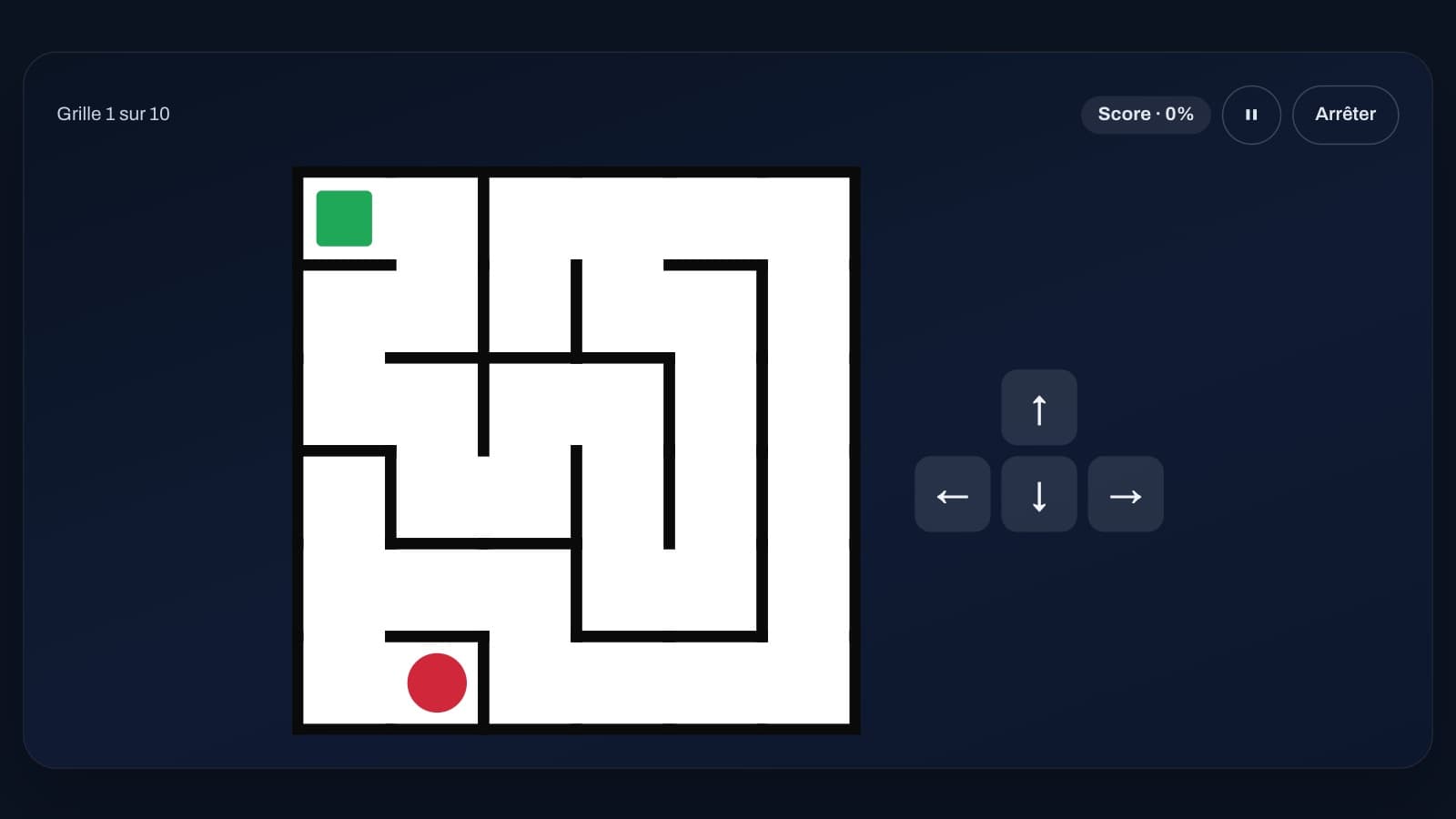
Rotating Maze: Cracking the DLR Test Method
In the DLR rotating maze, the buttons always mean the same thing, but the grid changes angle. How to find your bearings, what the score measures, and the traps to avoid.
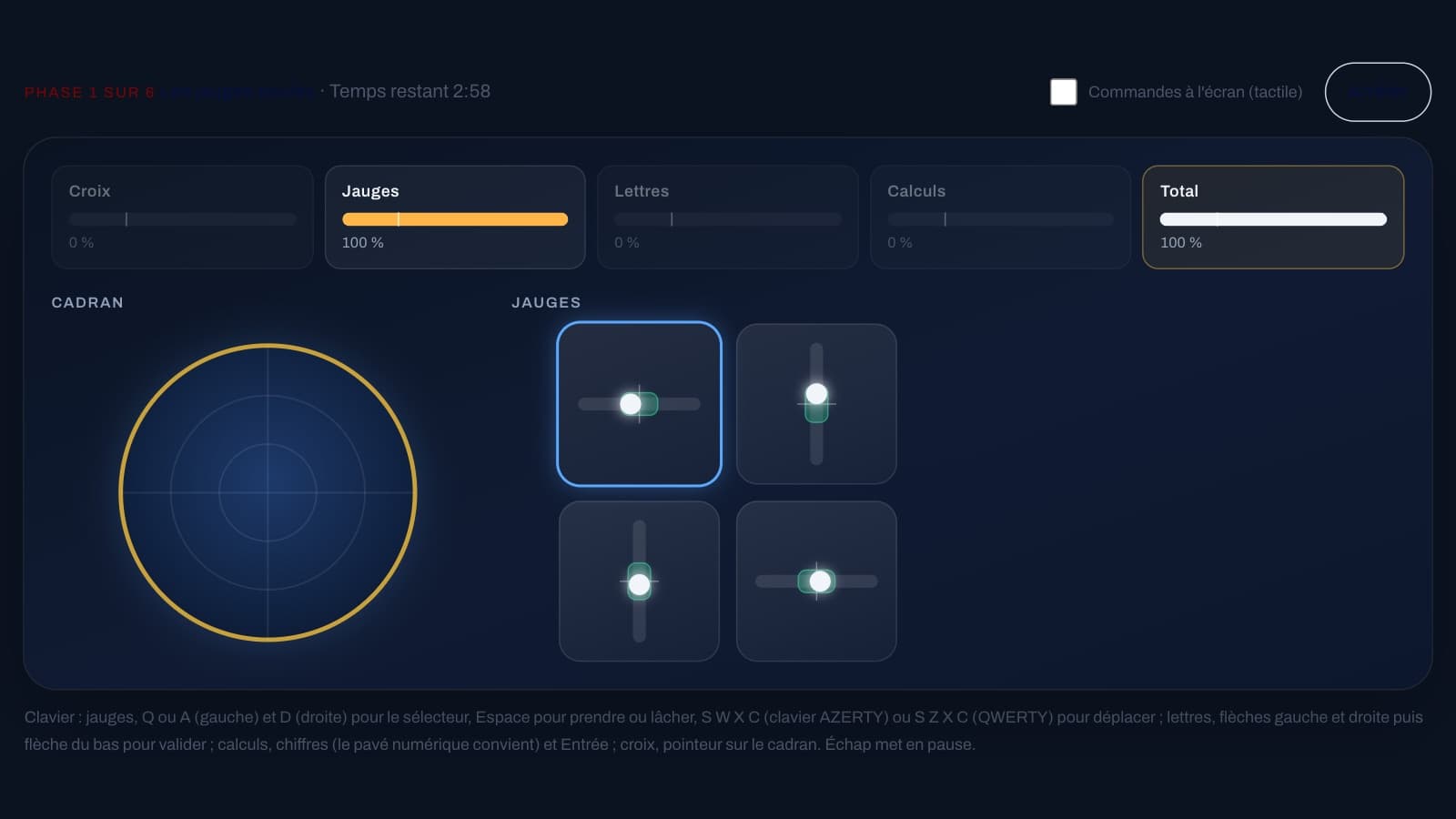
Pilot Psy 1 Test: Multitasking and Angles
Multitasking and angles are the two “Psy 1” type exercises on ForAllPilots: what each one demands, how to train for them, and in what order.
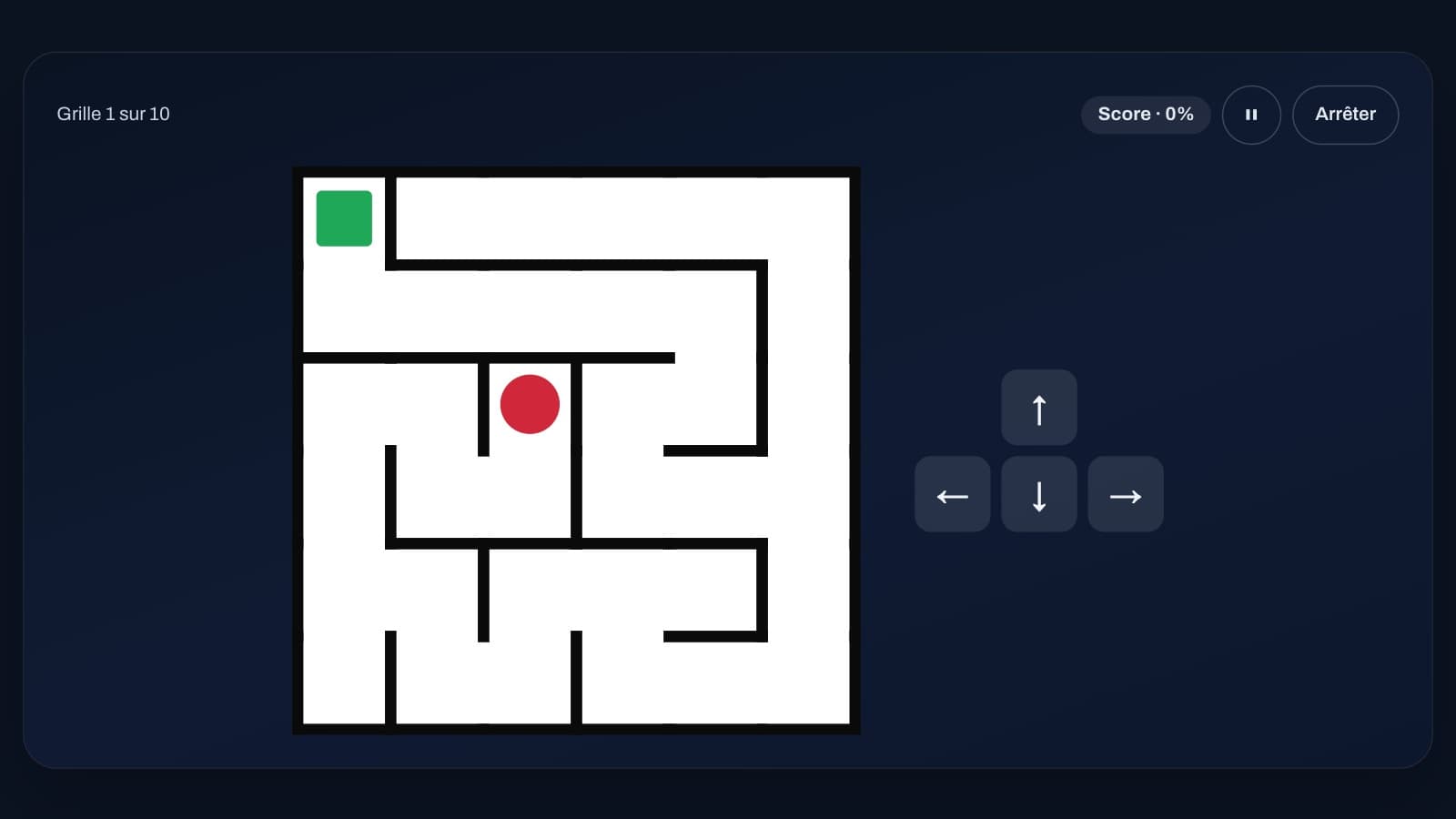
DLR Pilot Test: The Exercises and How to Train
2D and 3D orientation, vigilance, gauges, cube, triangles, corridors: the twelve exercises in the DLR series and how to train for them.
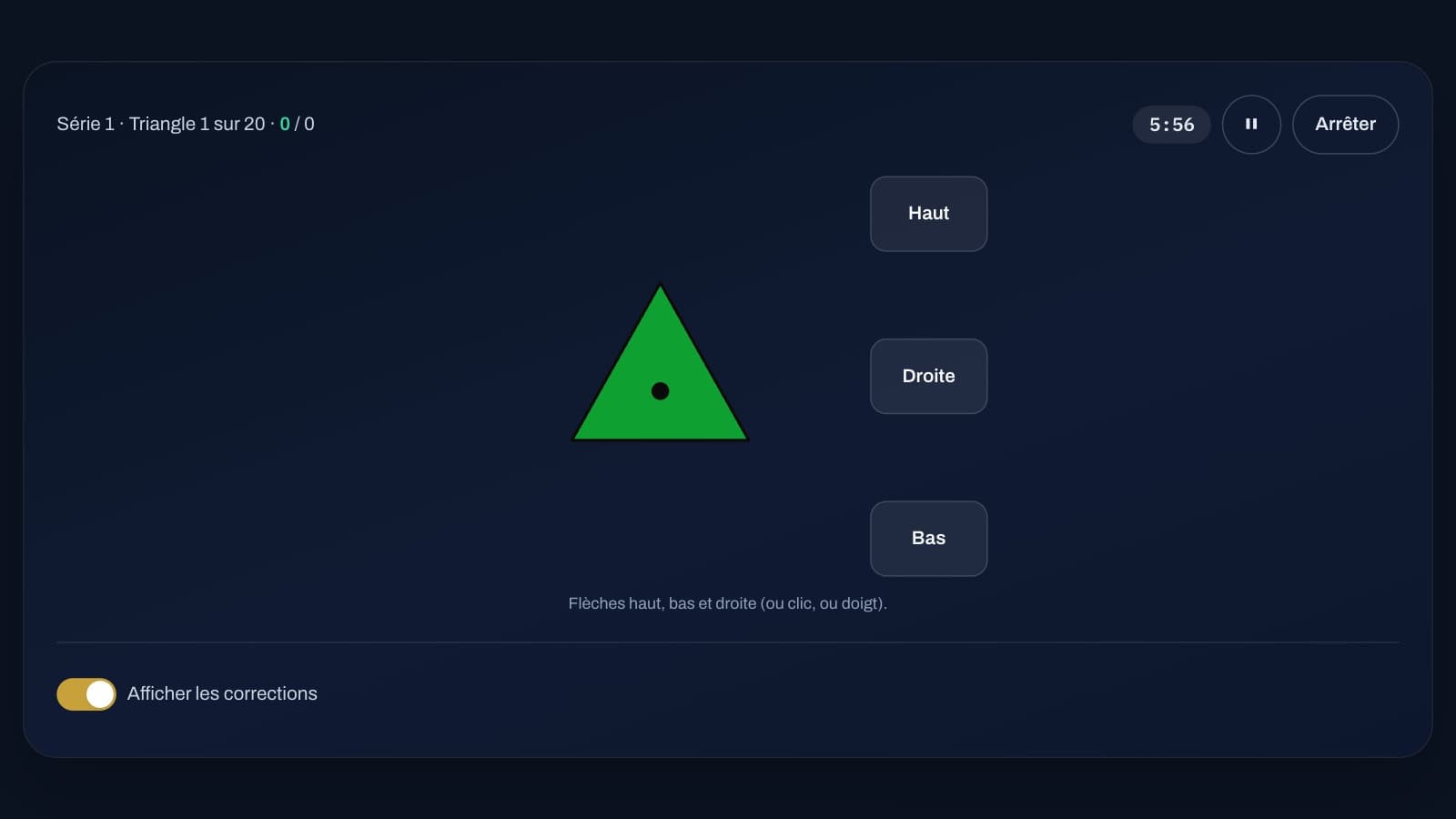
Triangles, Data Processing, Prediction: The Method
Apply a rule quickly and anticipate a hidden movement: the method for triangles, data processing and trajectory prediction.
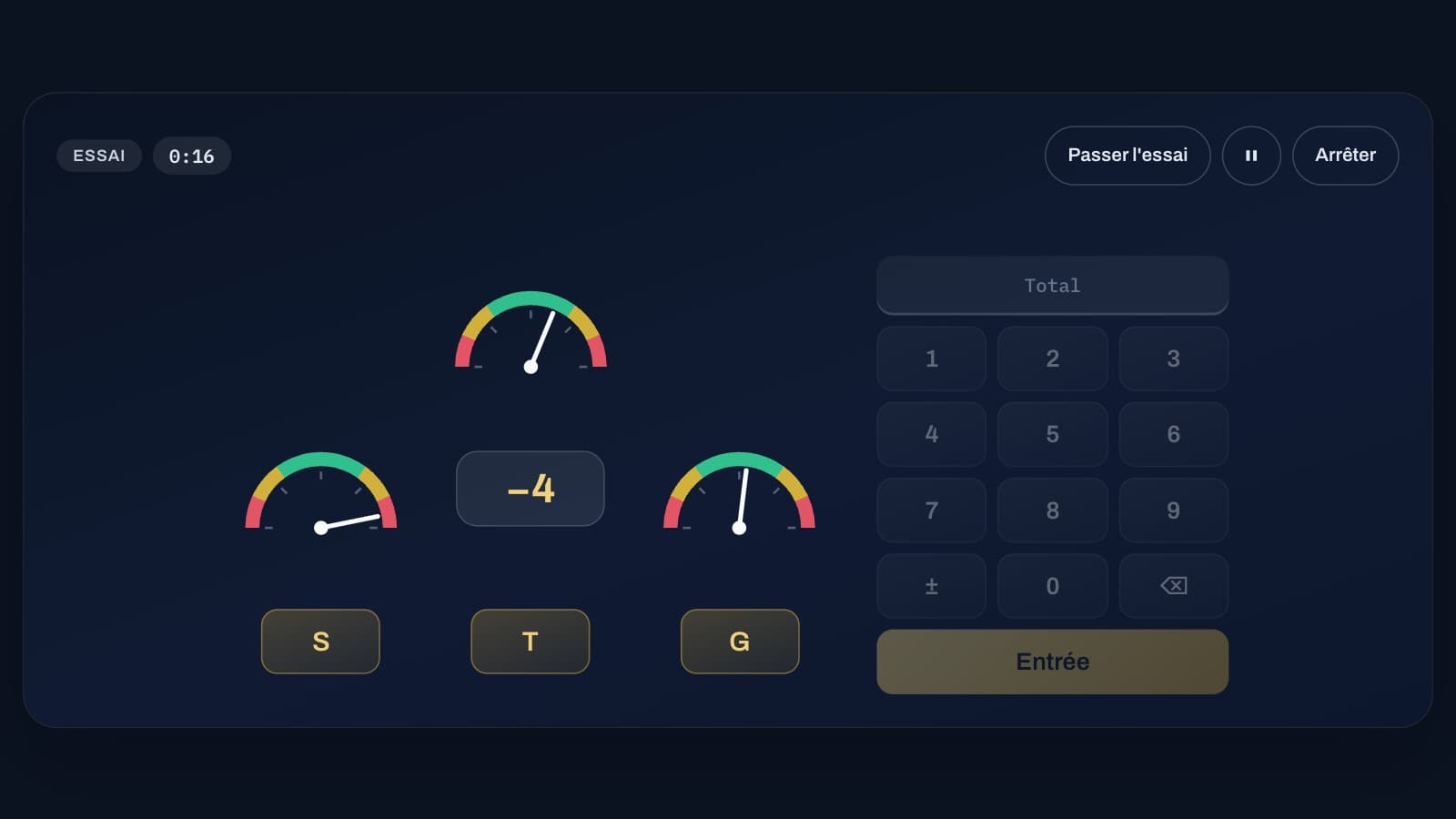
Gauges and Mental Arithmetic: Divided Attention
Three gauges to monitor and a running total to keep in mind: the method for the perception and information-processing exercise.
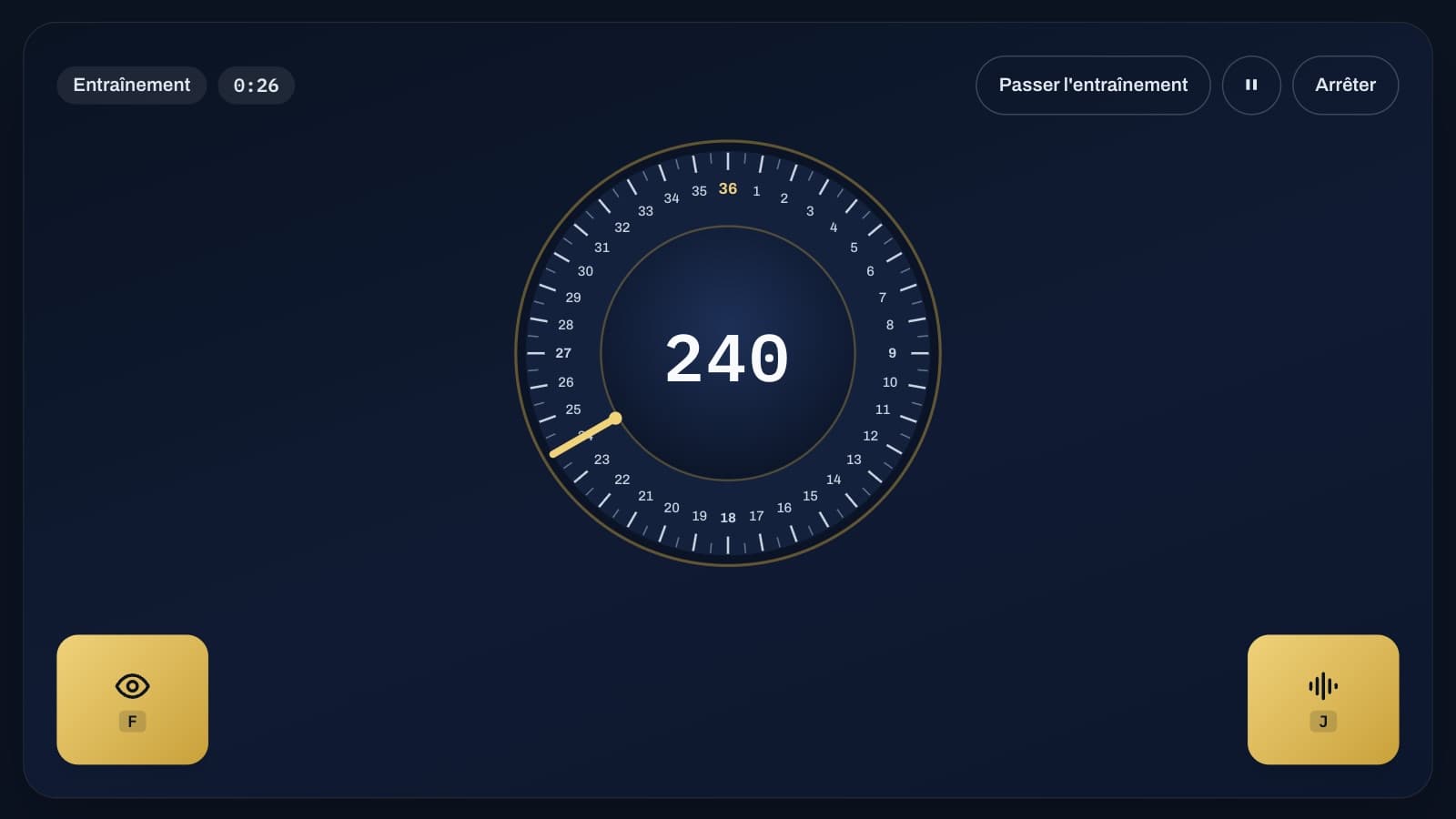
Pilot Vigilance Tests: Staying Sharp Over Time
Heading dial, repeated sounds, a dot that changes colour or direction: how to pass Vigilance Tests 1 and 2 without losing focus.

2D and 3D Spatial Orientation: The Method
Following instructions on a grid and finding cube faces marked with a cross: the method for 2D and 3D spatial orientation tests.
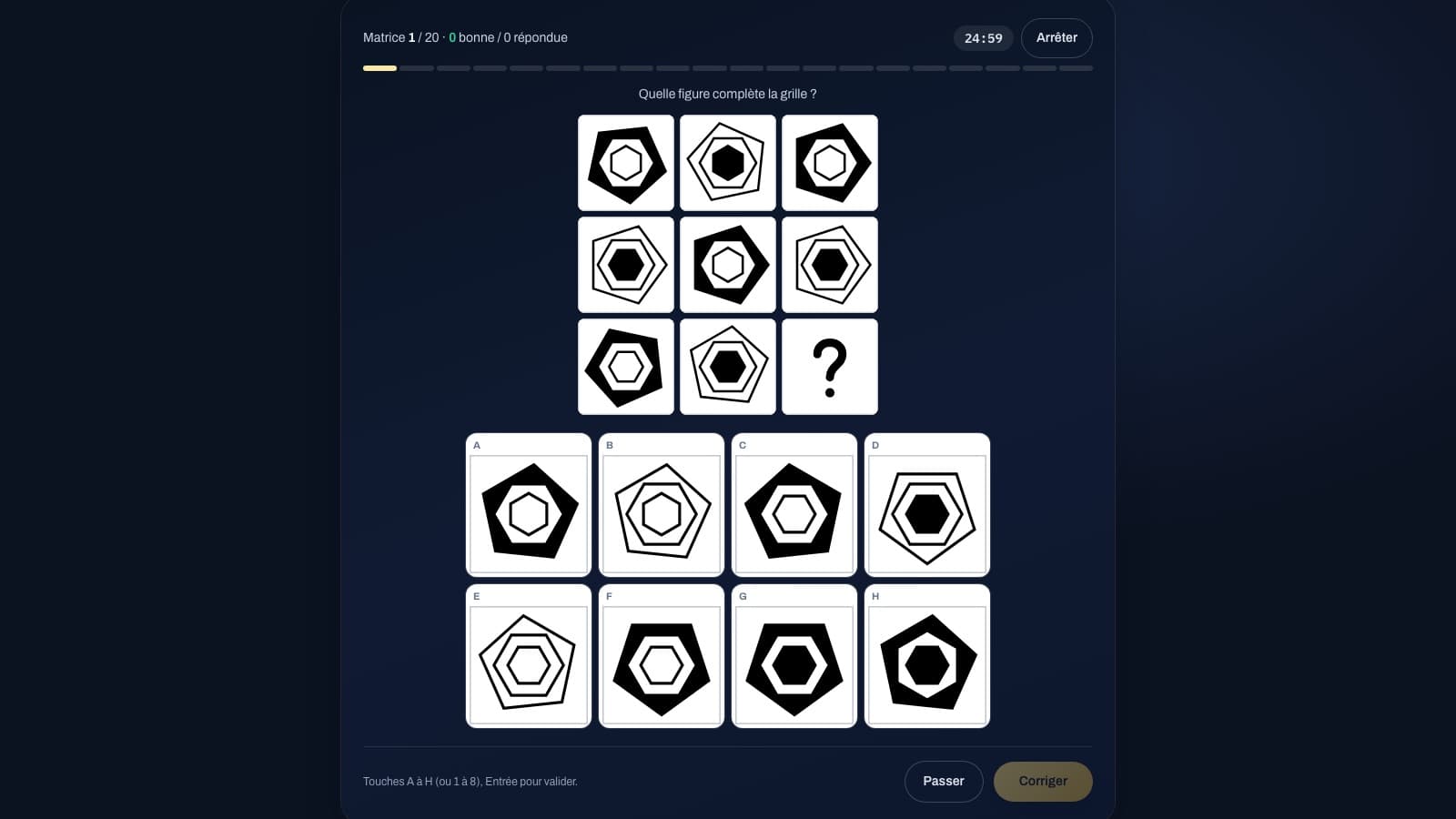
Raven-style matrices: finding the rules in a grid
Raven-style matrices: spot the rules (rotation, movement, fill, sides), read them by row or column, then eliminate the wrong answers.
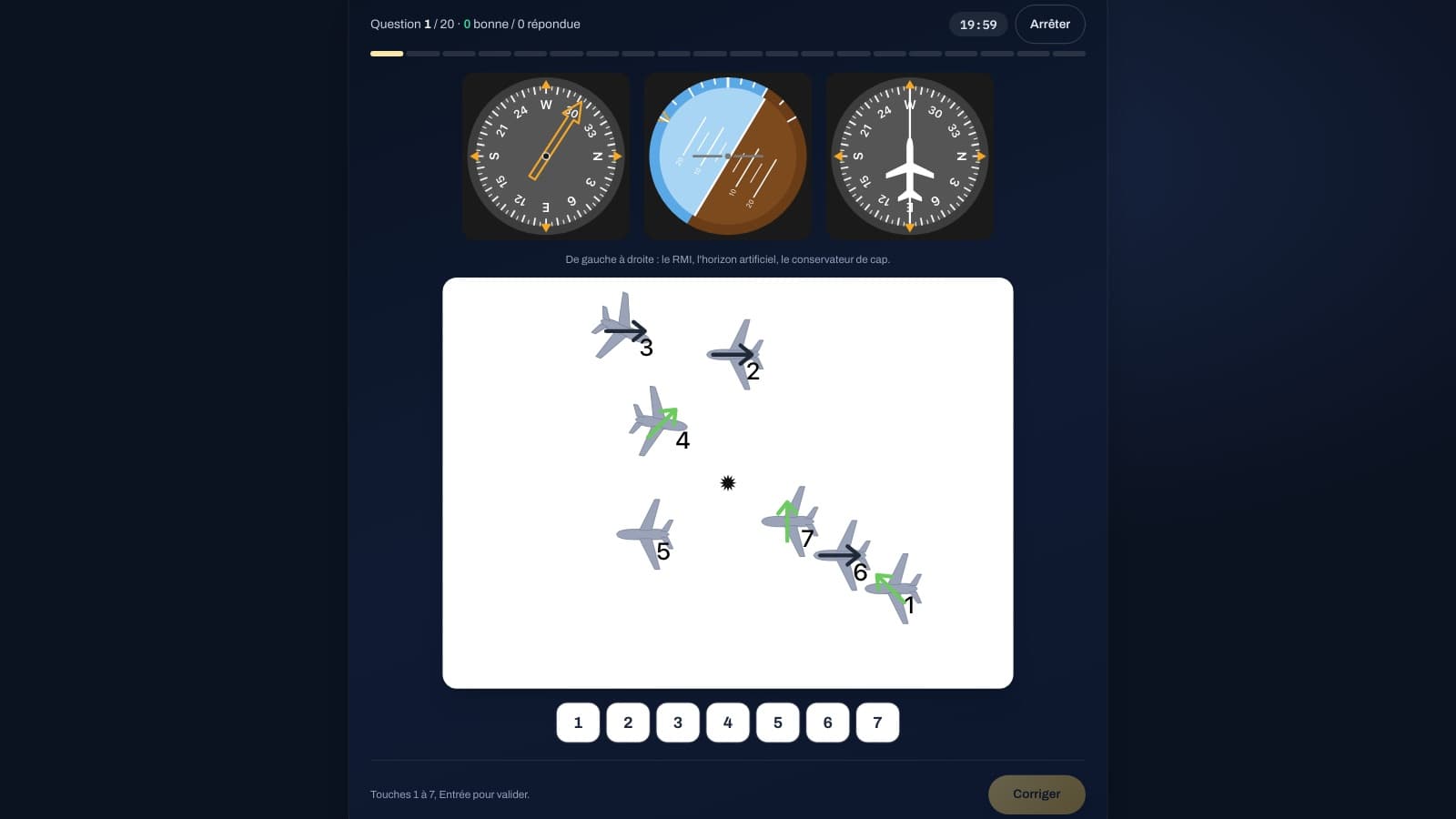
RMI, horizon and heading: reading three dials at once
Heading, relative bearing and attitude: how to read the RMI, the artificial horizon and the heading indicator, plus the formula for finding the aircraft.
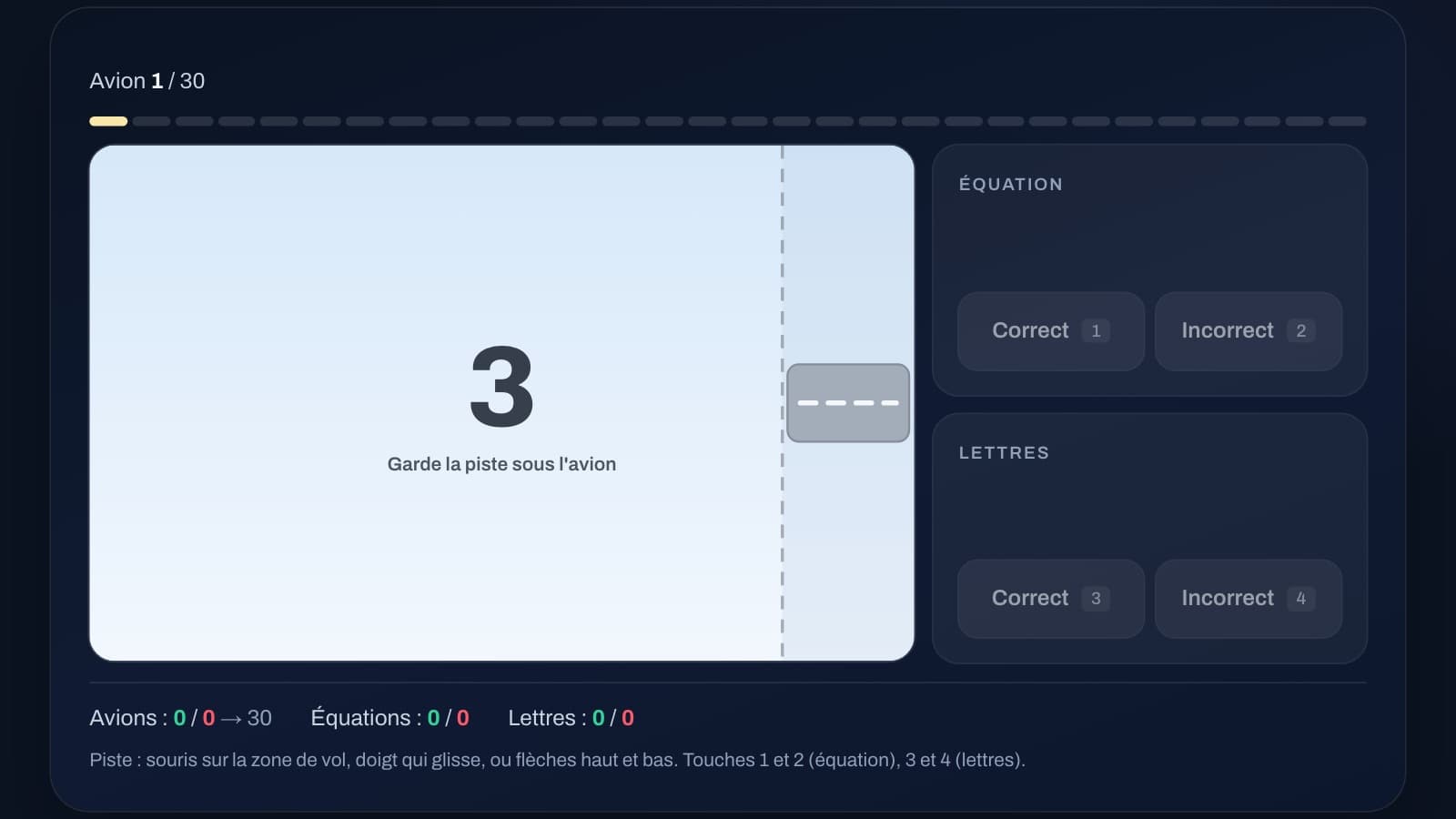
Multitask Landing Test: The Runway Comes First
Land 30 aircraft by moving a runway while checking equations and repeated letters: priorities, method and a two-week practice routine.
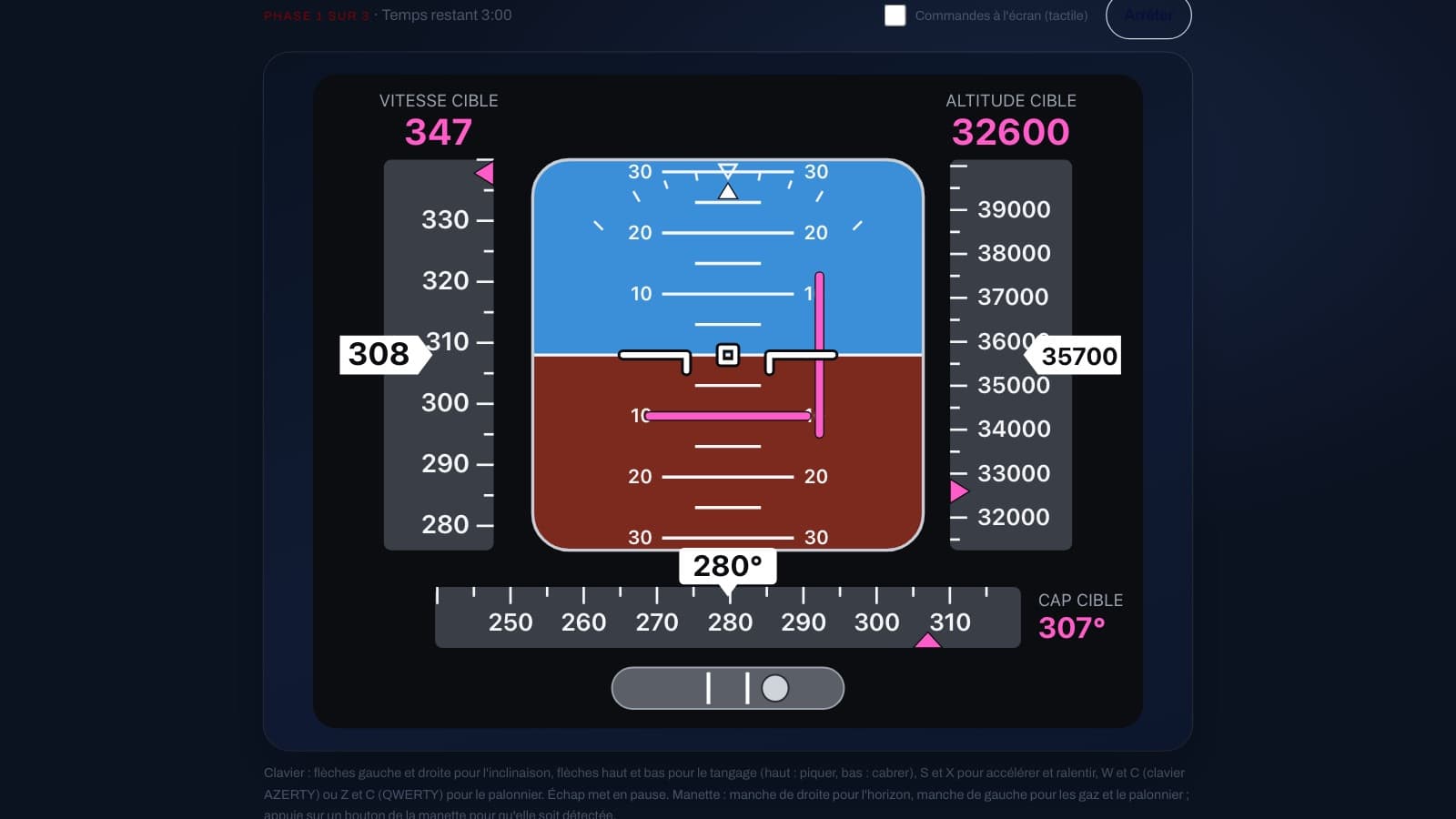
PFD Flying Test: Keep the Pink Cross Centred
PFD flying test: centre the flight director cross, set your speed and bring the slip ball back. Controls, scoring and a two-week practice routine.
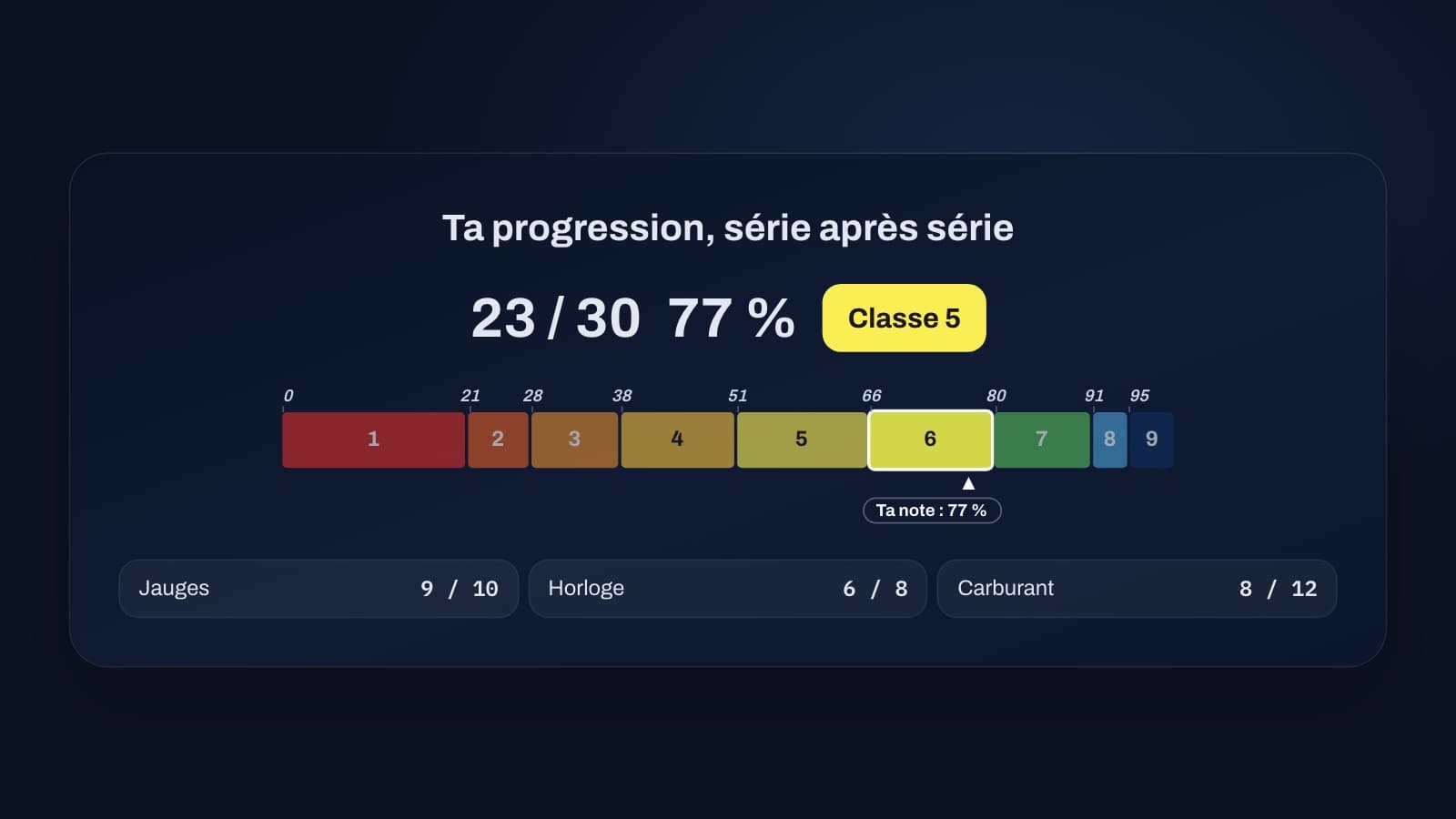
Psychometric tests: tracking your progress by class
Reading your psychometric test results: classes from 1 to 9, average, trend, breakdown by part, and what a practice score can and cannot tell you.
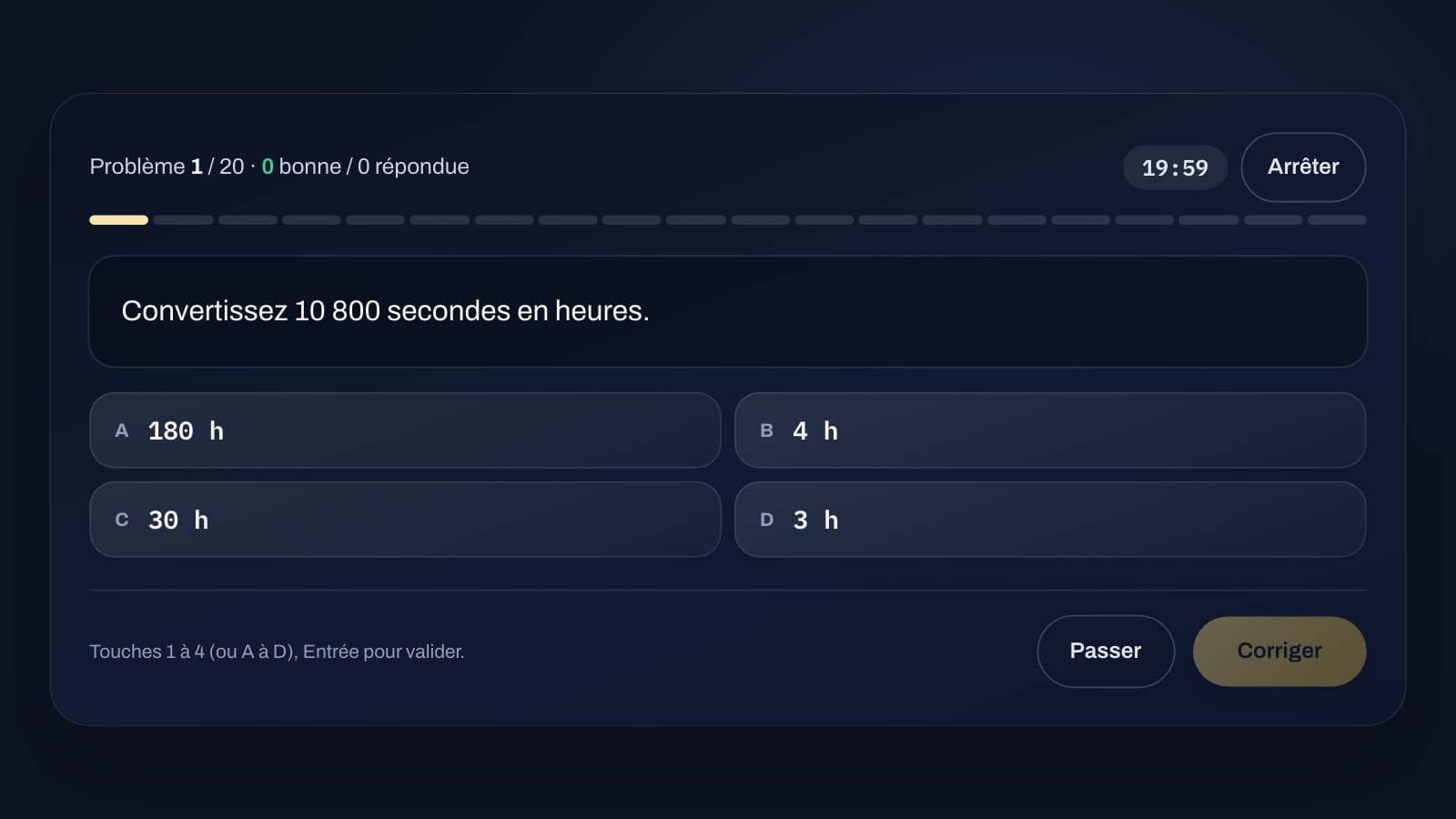
Aviation word problems: speed, time and fuel
Speed, time, heading, fuel and angles: the classic traps in aviation word problems, the conversions to know and a method to avoid mistakes.

Cube tests: comparing and folding methodically
Cube comparison and cube net exercises: reason face by face on colour and arrow direction, and learn to recognise when no cube fits.
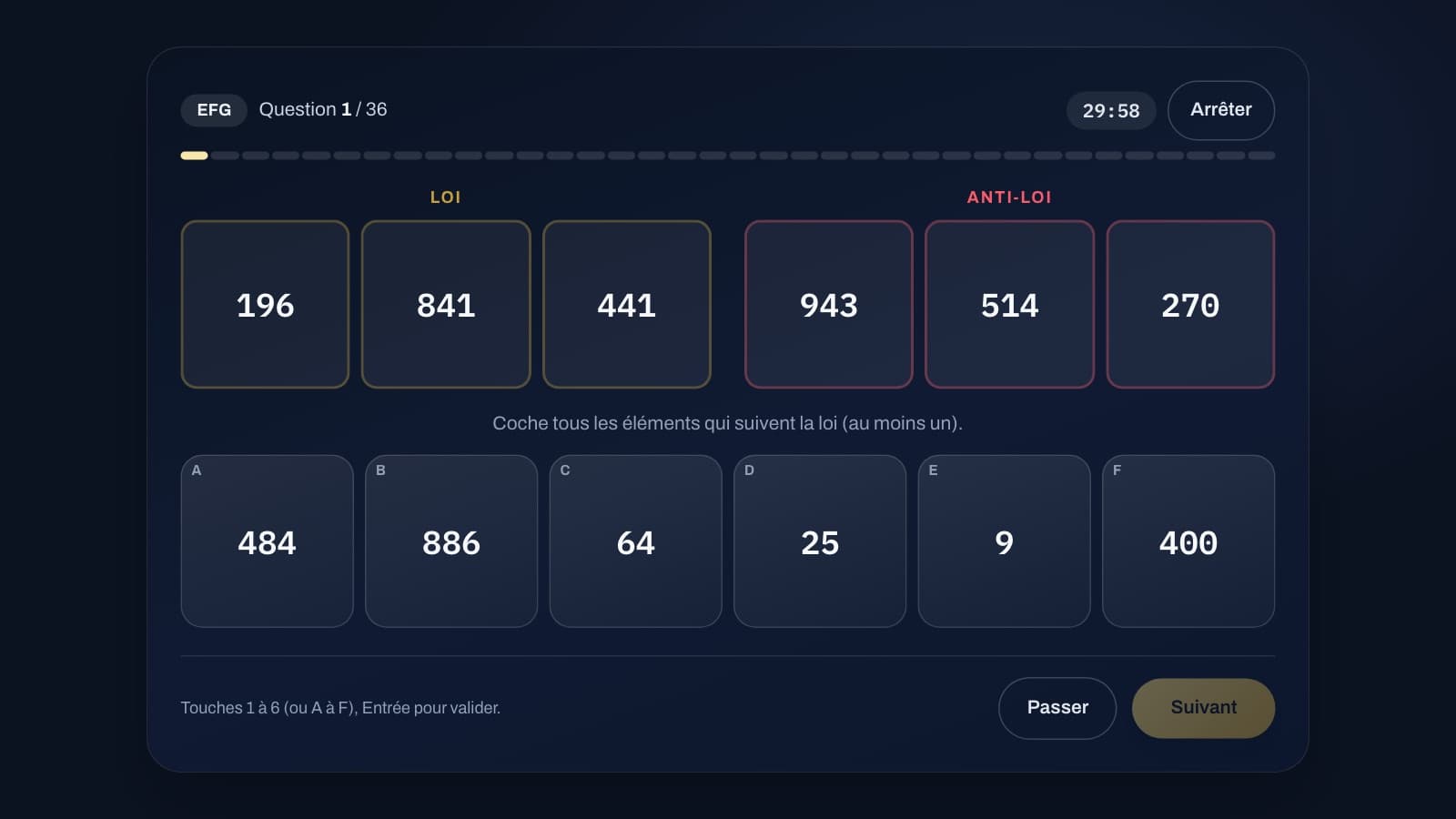
EFG Test: The Law and Anti-Law Method
EFG test method: find the hidden law shared by three elements, tell it from the anti-law and tick all that follow it. Exercise currently in French only.

Deductive Reasoning: The Symbol Grid Method
4x4 and 5x5 grids where each symbol appears once per row and per column: the elimination method to find the "?" cell quickly, without guessing.
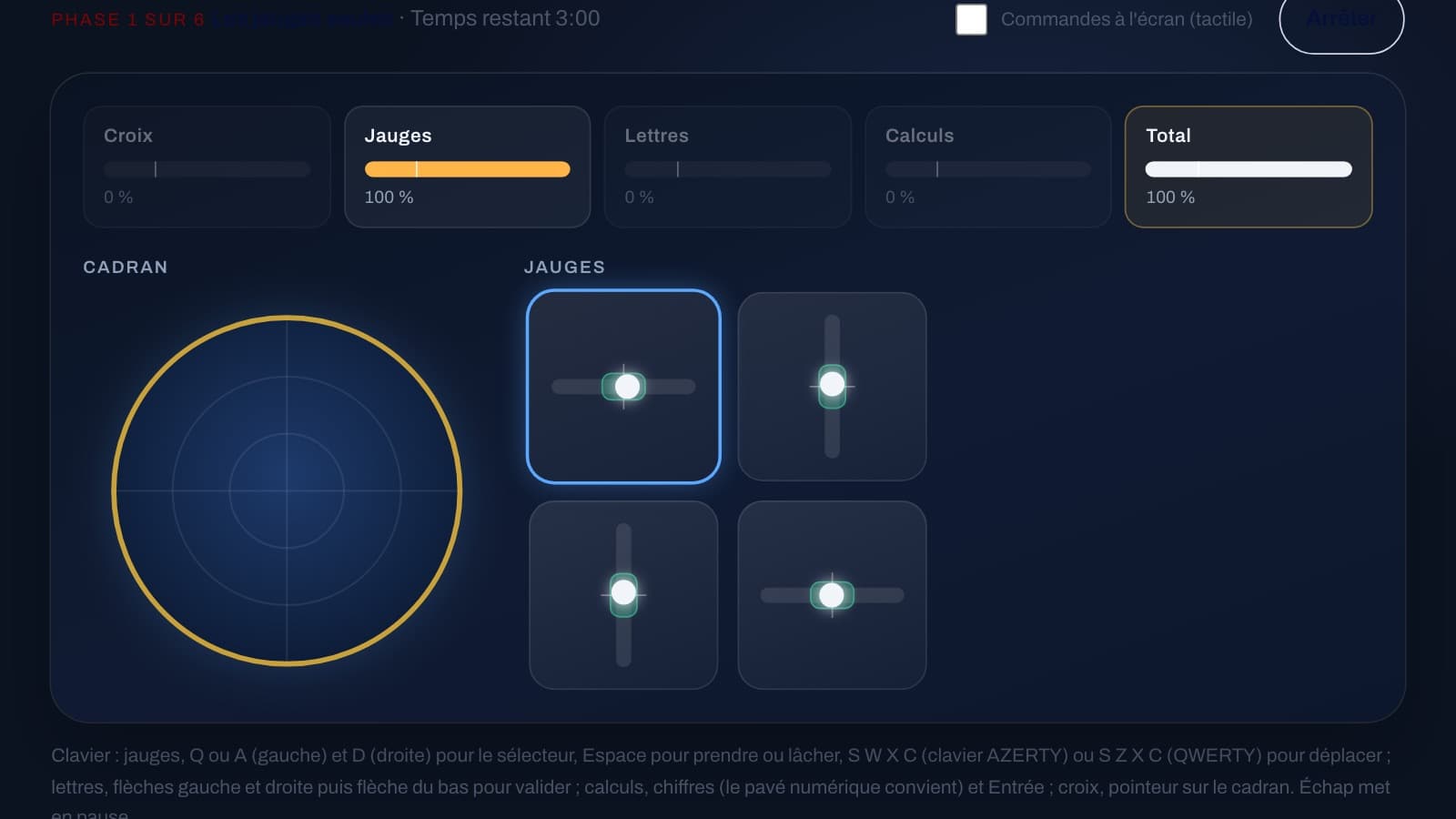
Pilot Multitask Test: Handling Four Tasks at Once
Multitask test for pilots: gauges, cross, letters and calculations at once. Learn to split your attention, avoid a zero total and improve phase by phase.
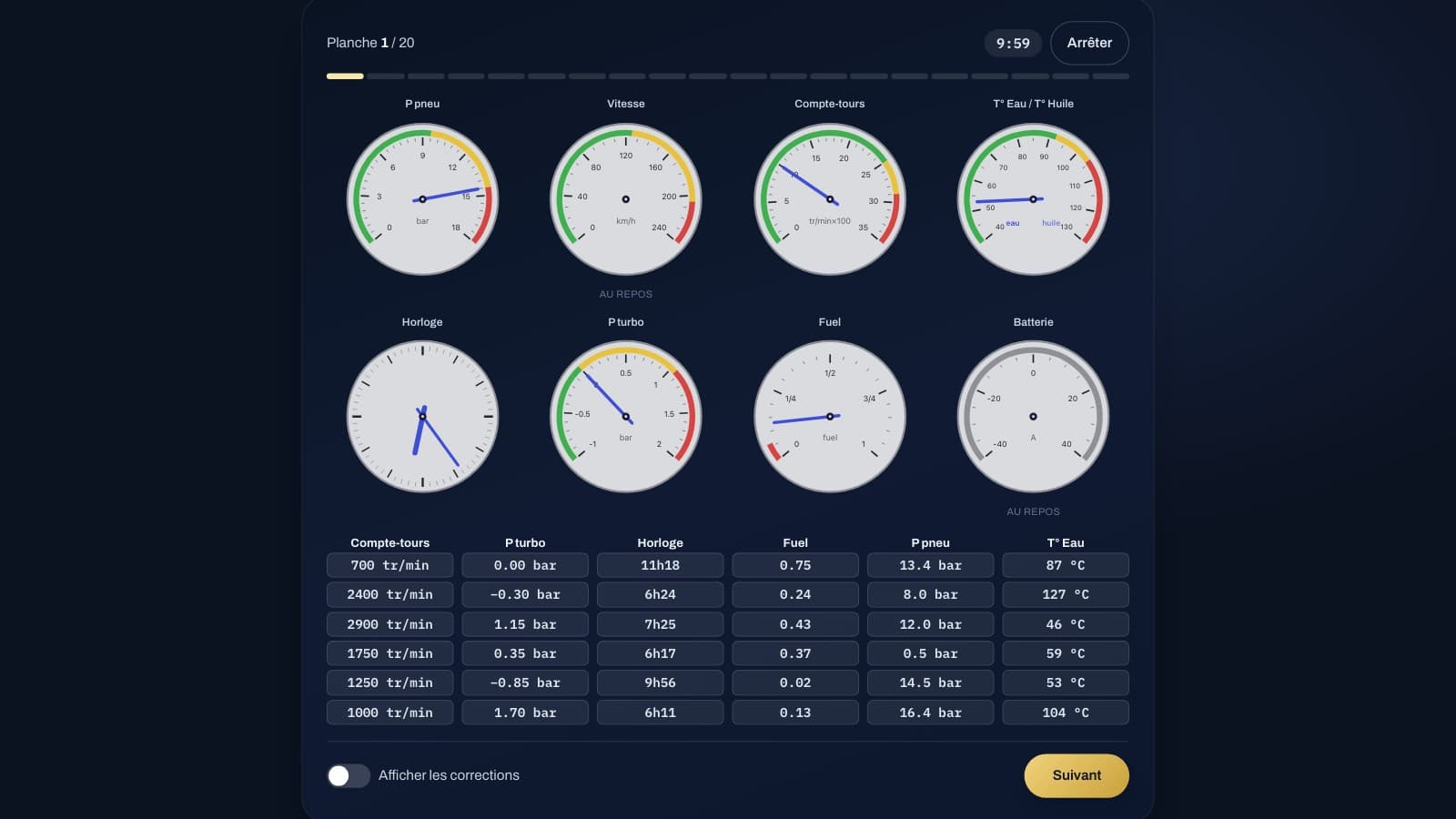
Gauges Test: Read a Dial Fast and Accurately
Read eight dials in seconds: find the scale, interpolate, read the clock correctly and avoid the traps of the gauges test. Exercise in French only.
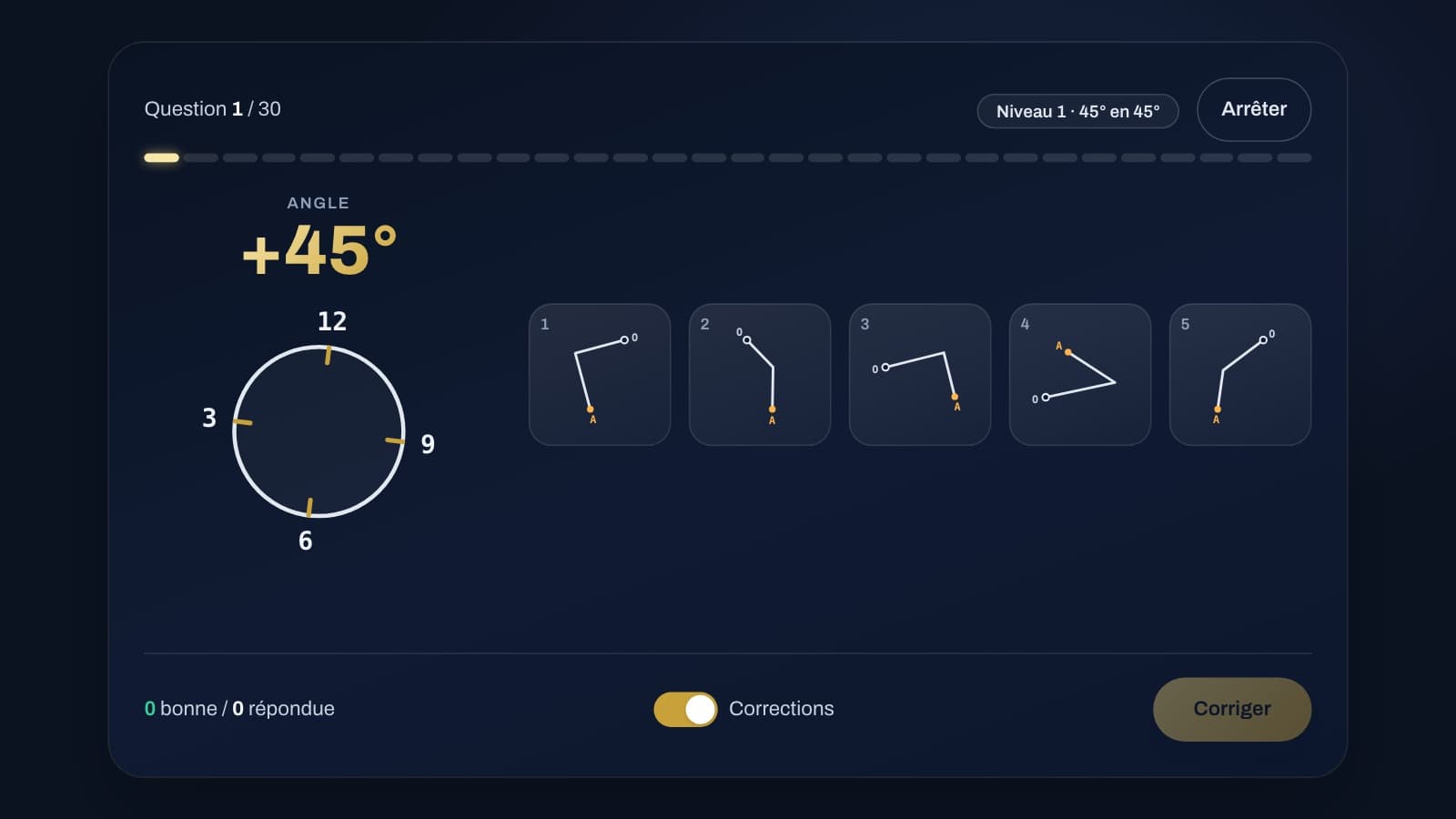
Angles Test: Method and Direction of Rotation
Angles test: read the clock face's direction of rotation, reduce large angles to simple ones, rule out wrong figures and avoid the classic traps.

N-Back Test with Mental Math: Method and Mistakes to Avoid
The n-back with mental math trains working memory: retain the results, keep the imposed pace and handle the N-1, N-2 and fixed-value phases.

Psychometric tests for pilots: where do you start?
Divided attention, memory, logic, space and mental math: five families of psychometric exercises and a three-step method to help you practise.
BIA, PPL & ATPL revision
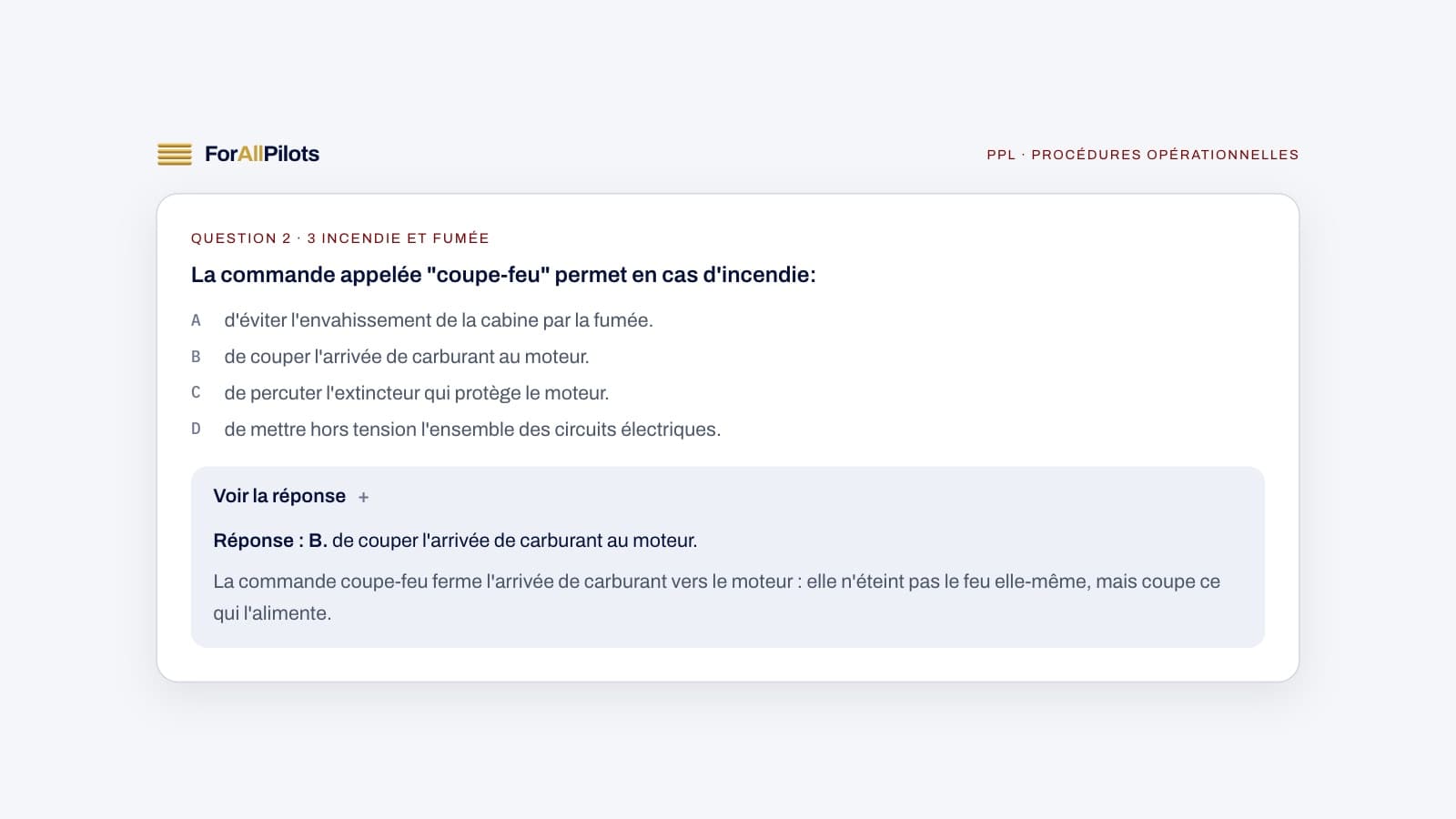
PPL: Revising Operational Procedures
How to revise Operational Procedures for the PPL: key concepts, common mix-ups, a revision plan and training methods.
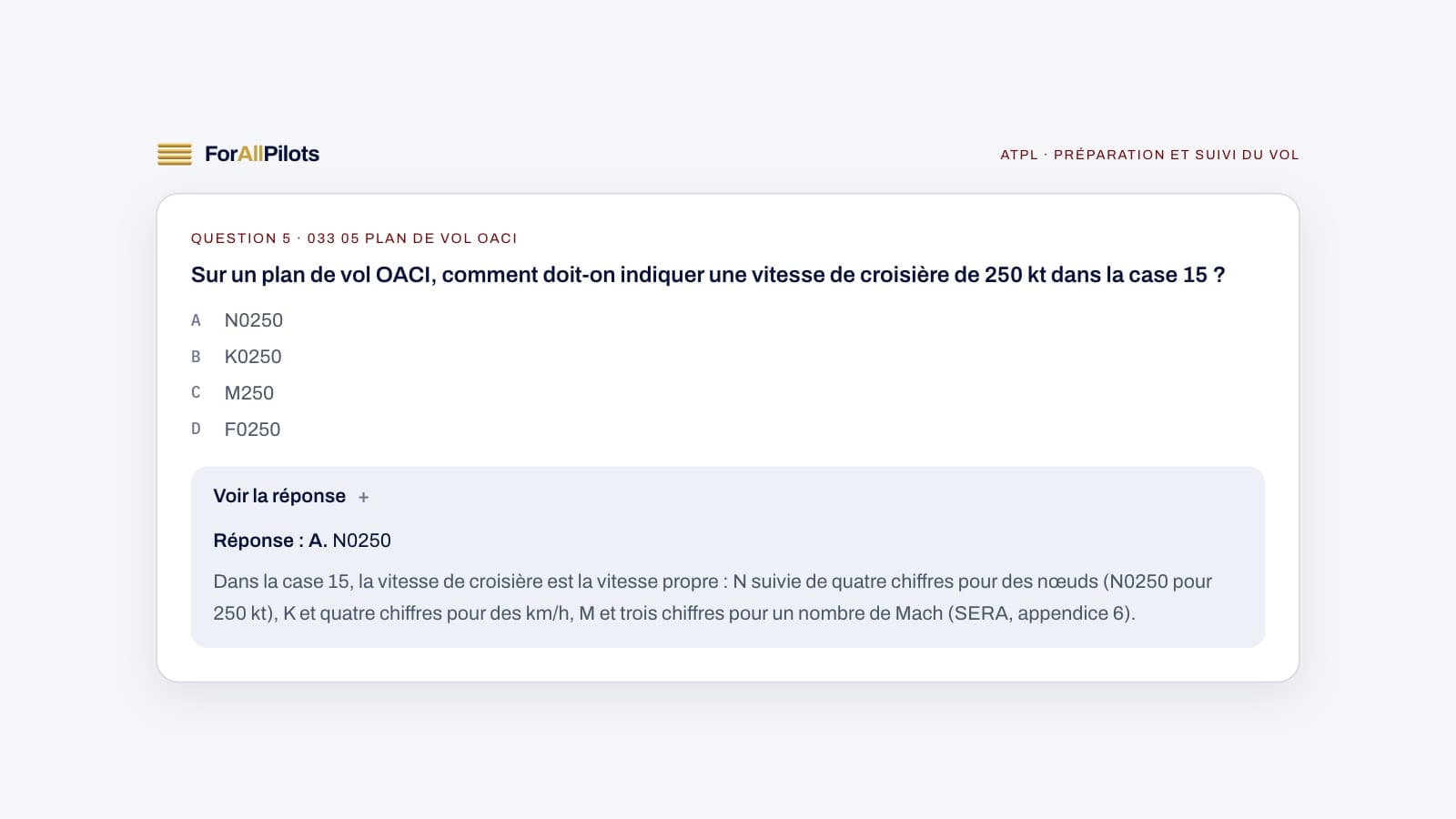
ATPL: revising Flight Preparation and Monitoring
How to revise the Flight Preparation and Monitoring subject for the ATPL theoretical exam: key concepts, common pitfalls, method and practice tools.
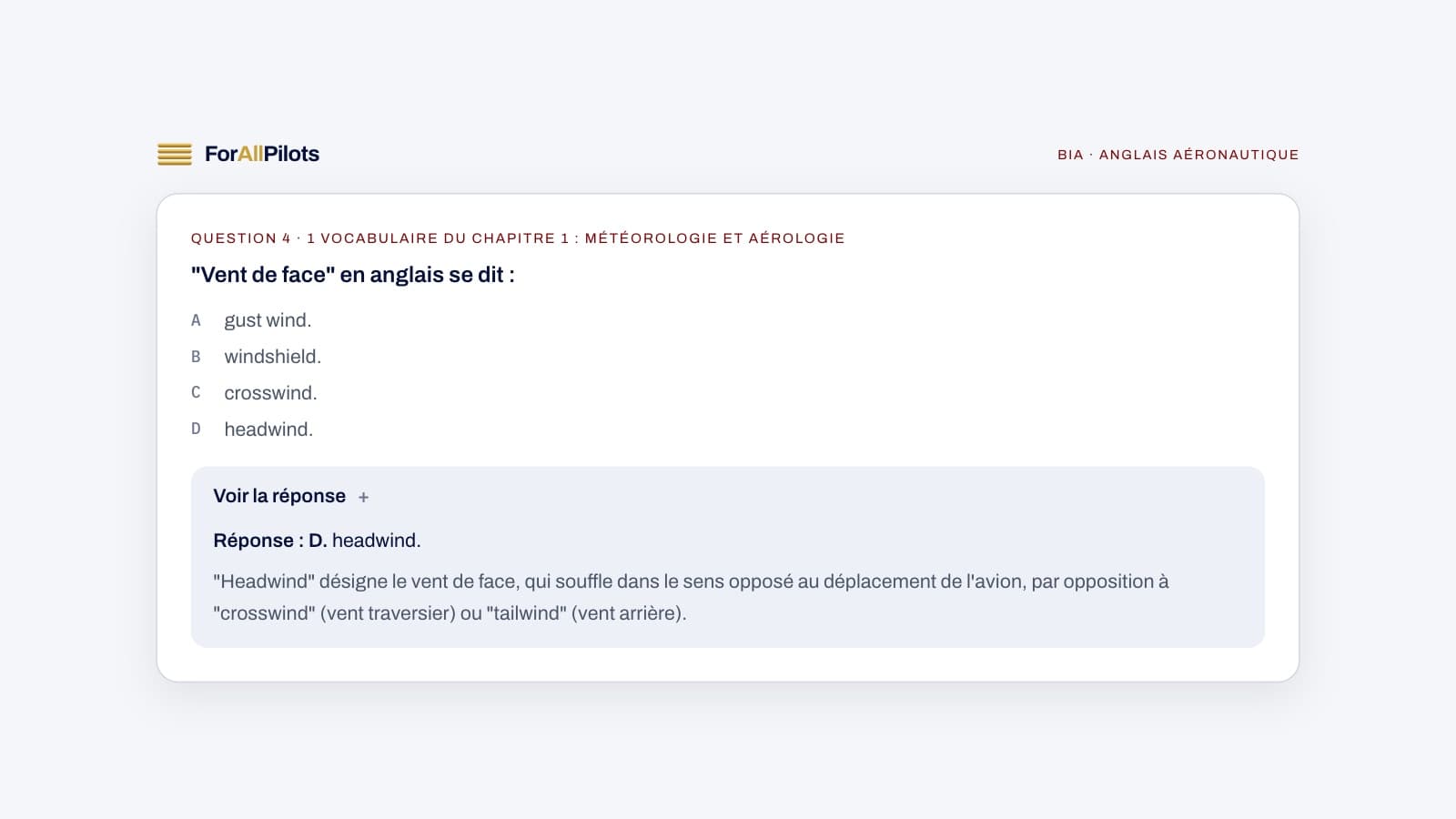
BIA: revising Aviation English
How to revise Aviation English for the BIA: key vocabulary, common mistakes, a progressive revision plan and a training method.
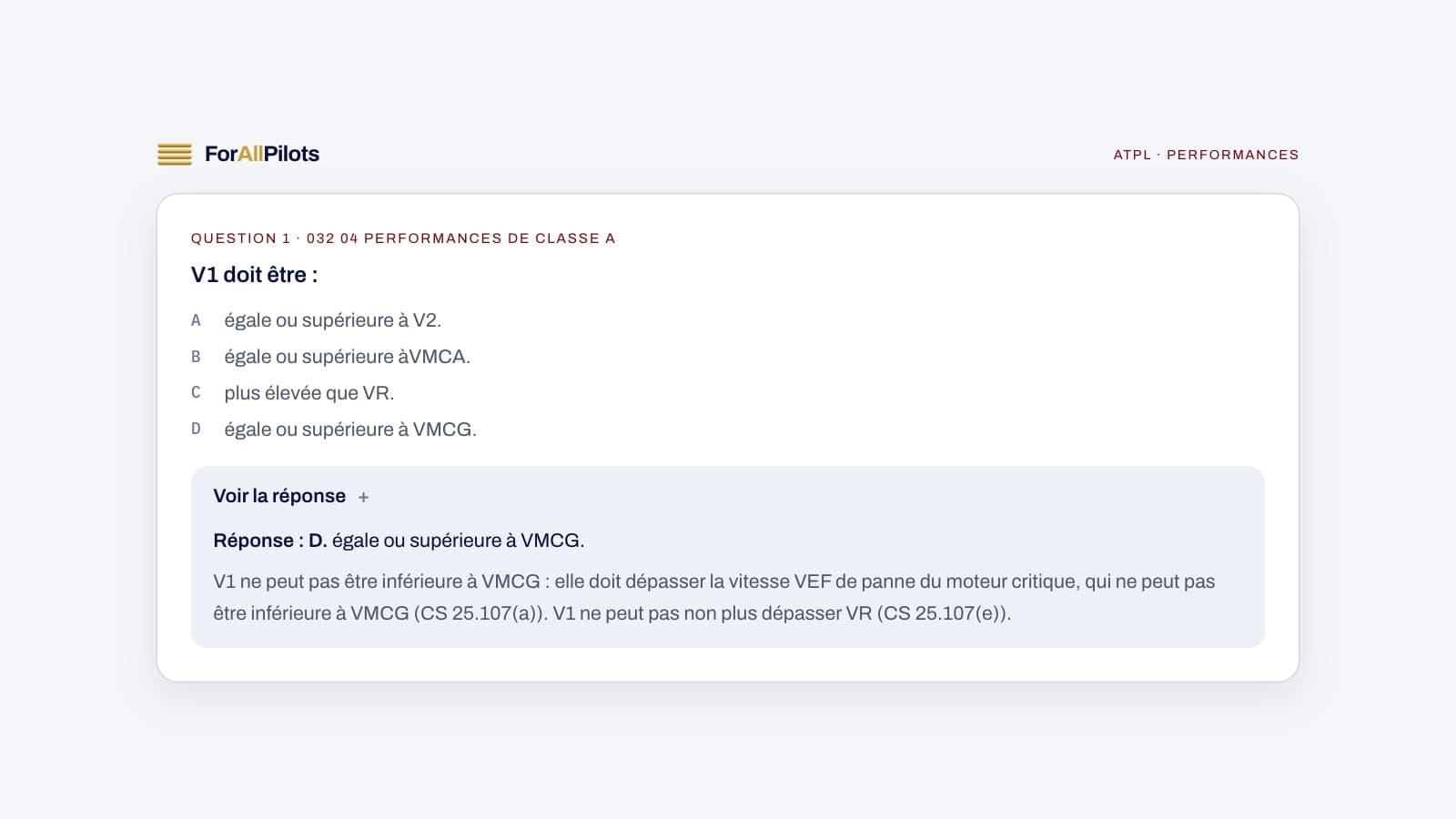
ATPL: revising the Performance subject
How to approach the Performance subject in the ATPL theoretical exams: key concepts, common confusions and a progressive revision plan.
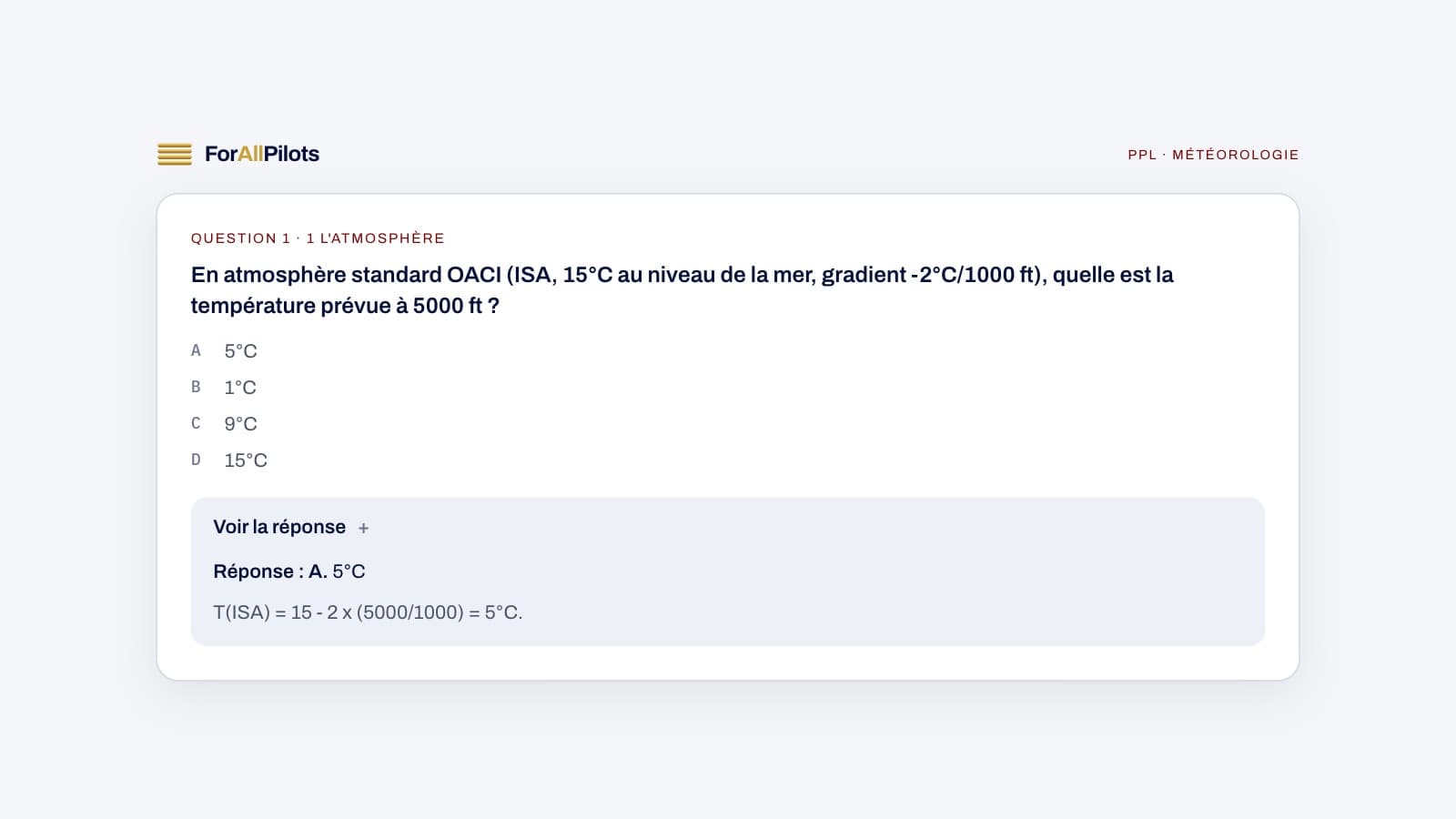
PPL: Revising Meteorology Effectively
Revising Meteorology for the PPL: key concepts, common mistakes, a progressive revision plan and a training method with ForAllPilots.
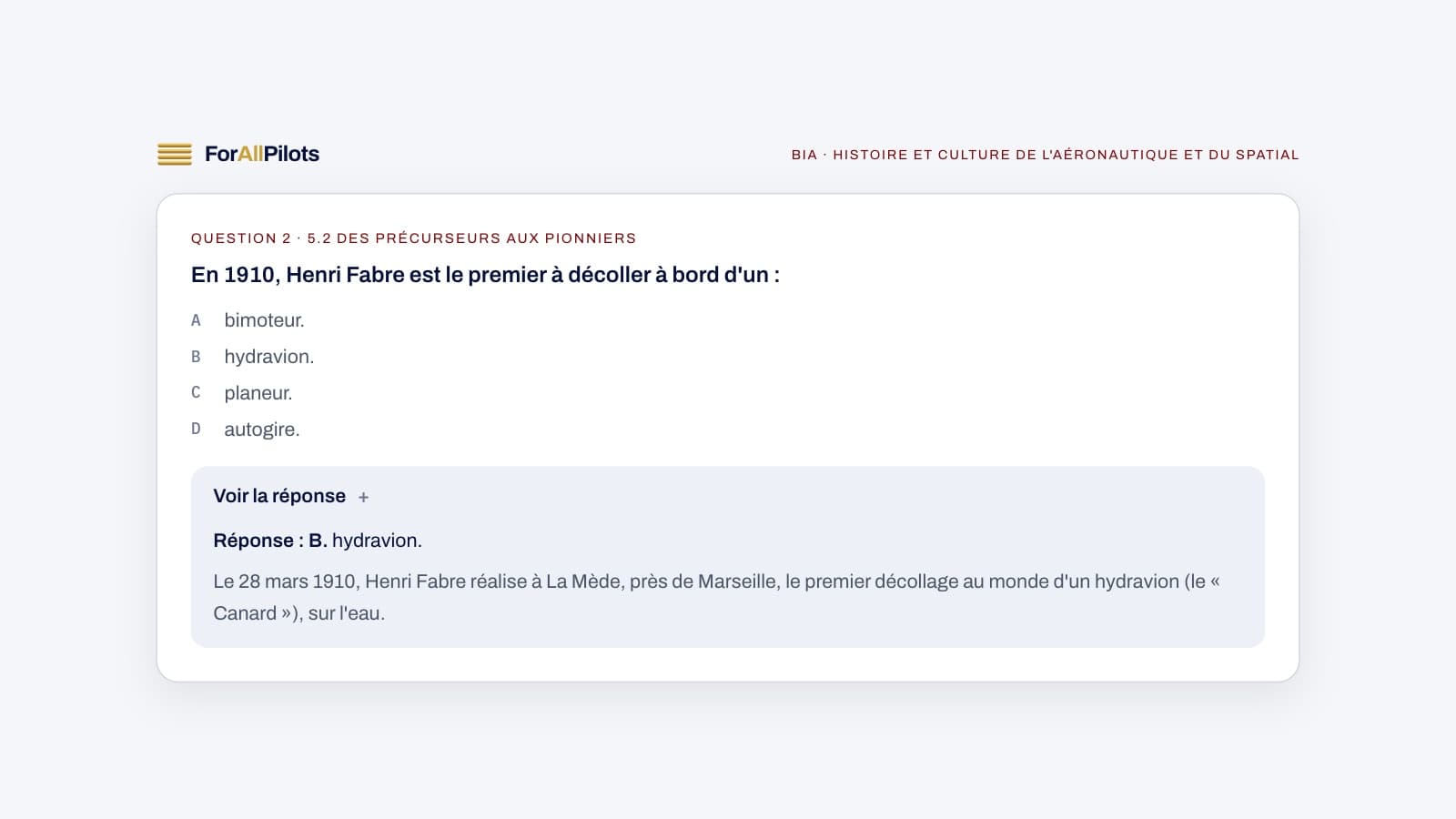
BIA: Revising Aviation History and Culture
How to revise the History and Culture of Aeronautics and Space subject for the BIA: key milestones, common pitfalls and a progressive revision plan.
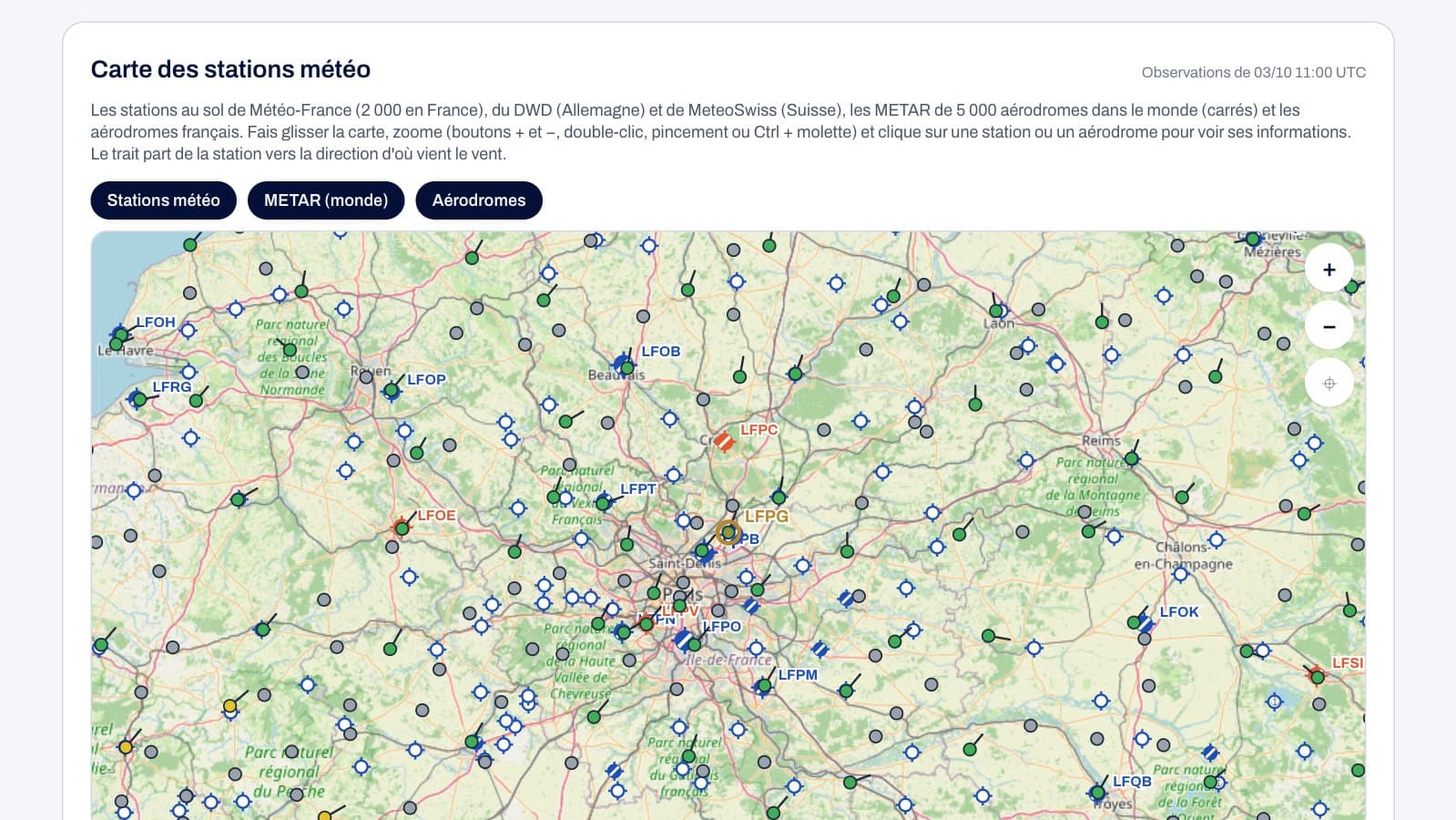
Aviation Weather: Stations, Animated Radar and Hour-by-Hour Forecasts in the Pilot Corner
Météo-France and METAR stations on a map, animated radar, 7-day hour-by-hour forecasts: free aviation weather in the Pilot Corner.
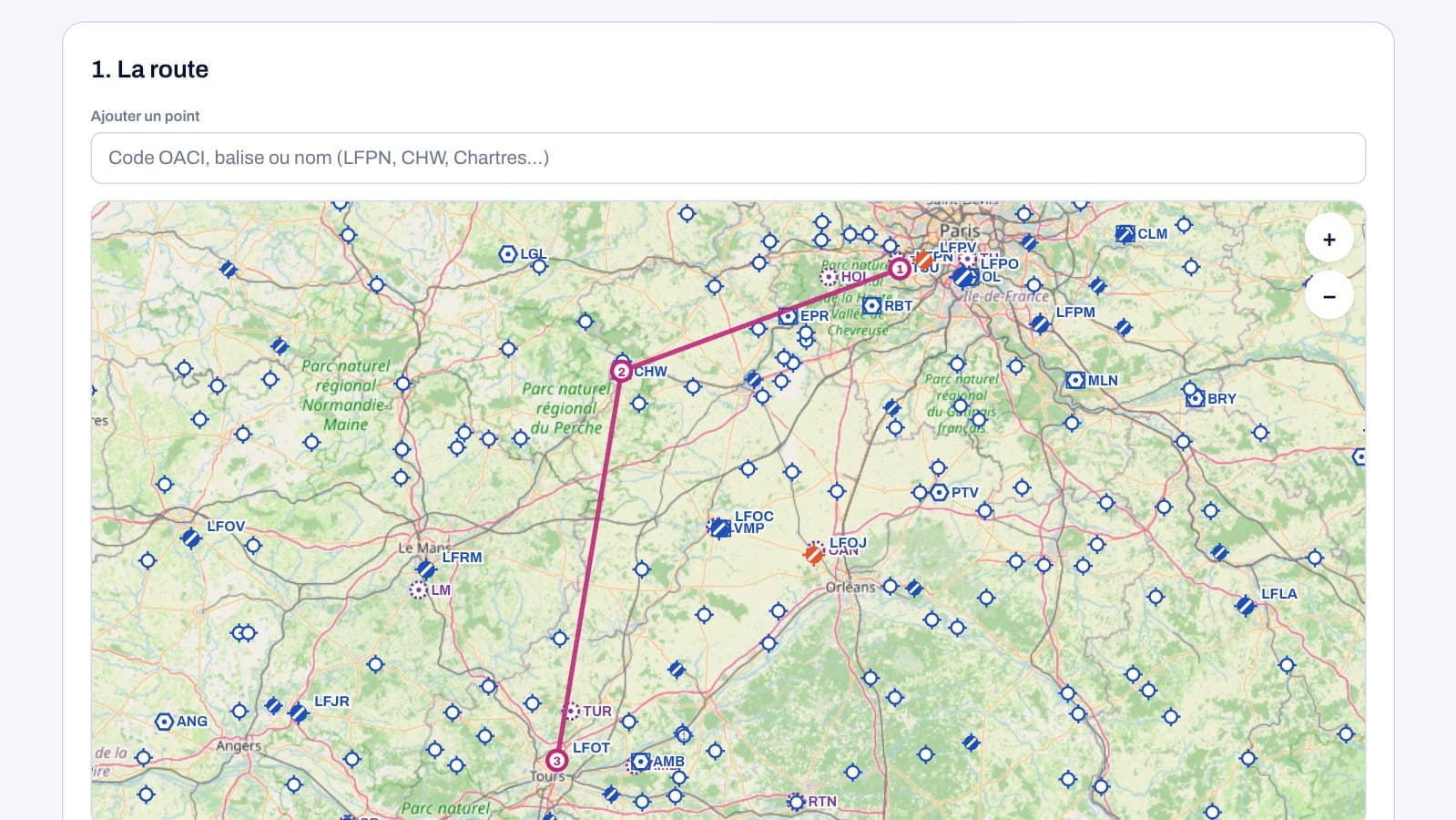
Preparing a VFR Navigation: Nav Log, Frequencies and Flight Plan in One Tool
A nav log with real wind, airspace and SIA frequencies, beacons, an ICAO flight plan and PDF: ForAllPilots’ free VFR planner.
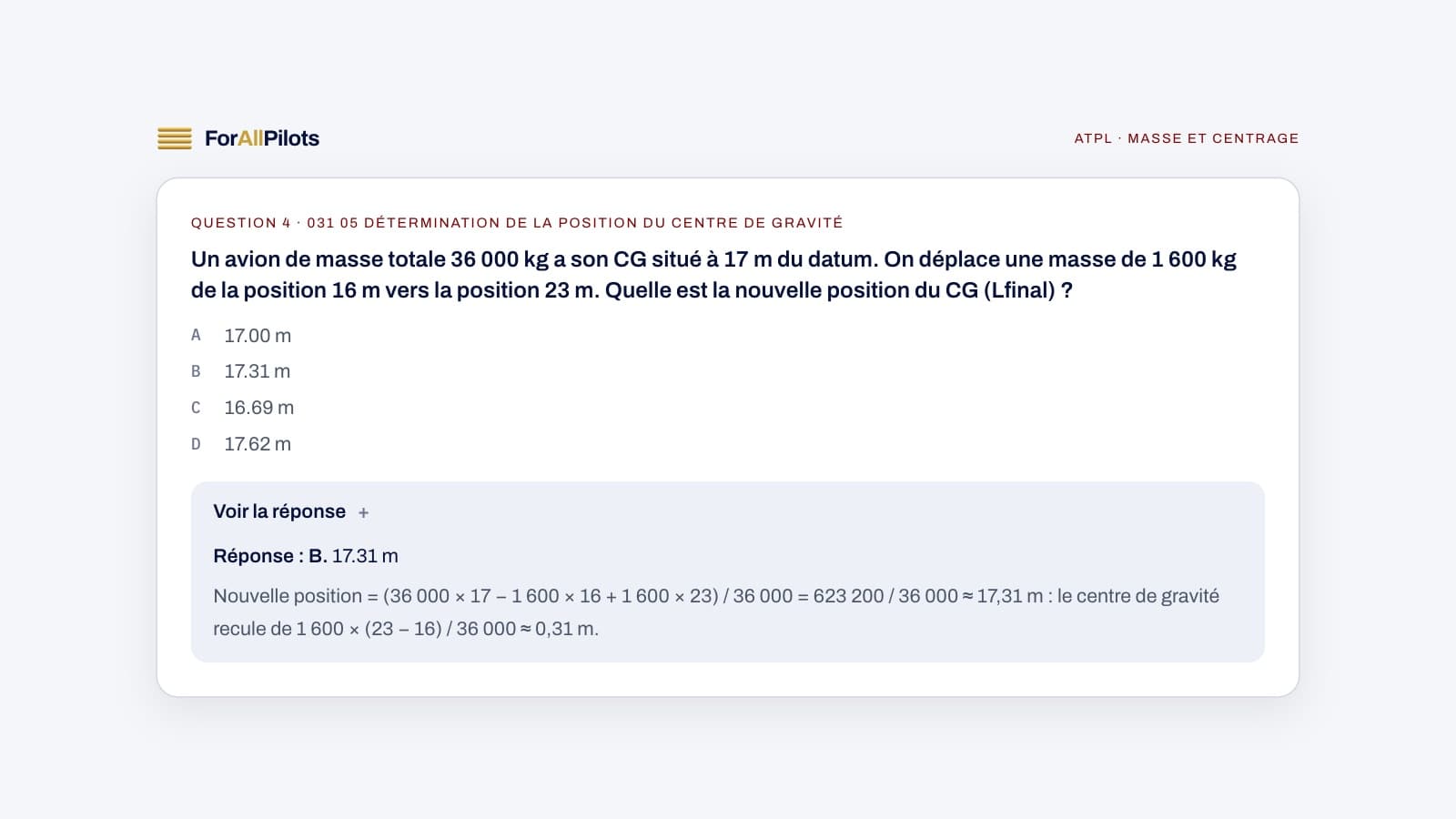
ATPL: revising the Mass and Balance subject
Mass and Balance for the ATPL: understanding the load sheet, centre of gravity and special cases, with a progressive revision method.
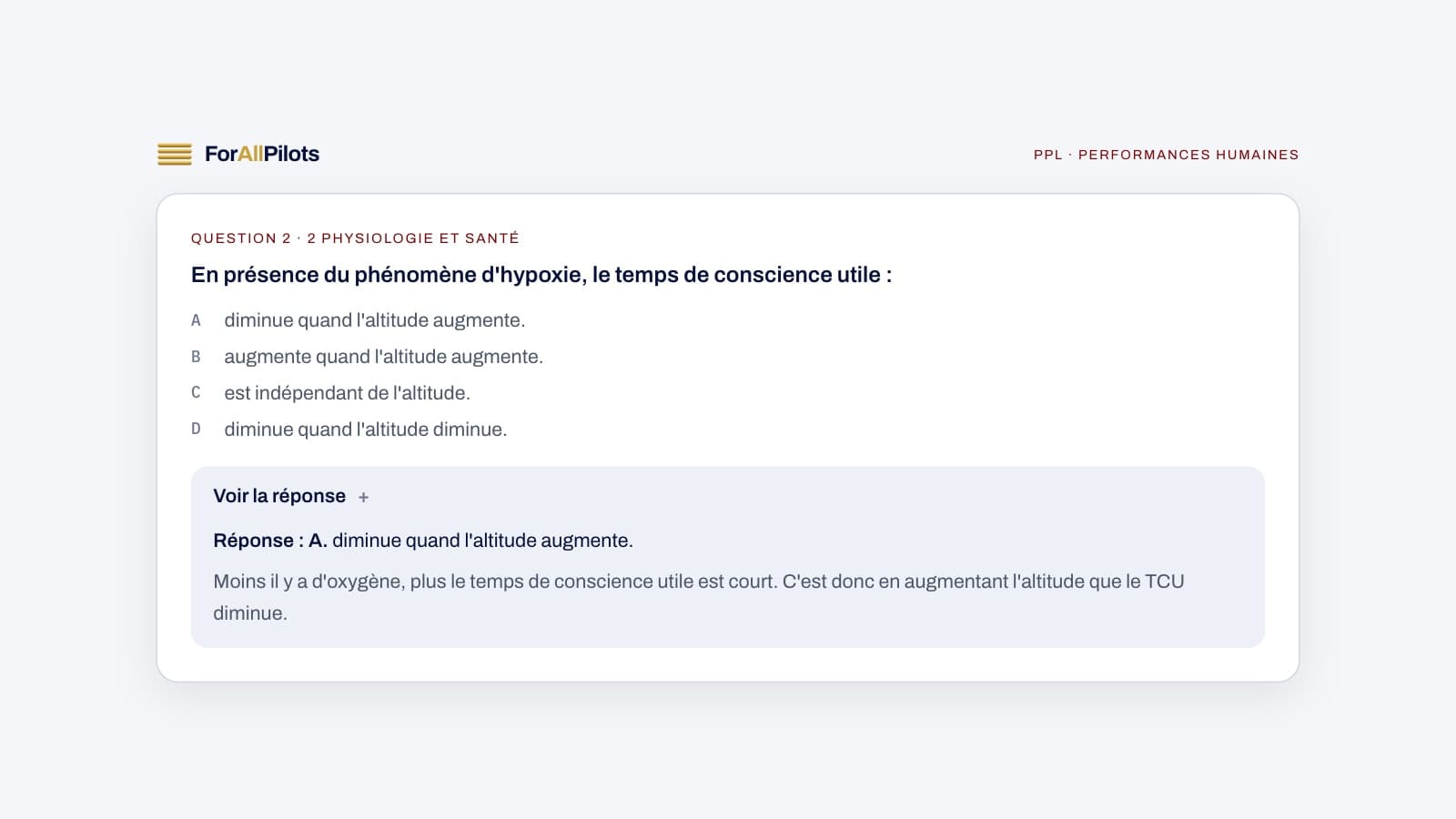
PPL: revising Human Performance
How to revise Human Performance for the PPL: key concepts, common mix-ups, a revision plan and a training method with ForAllPilots.
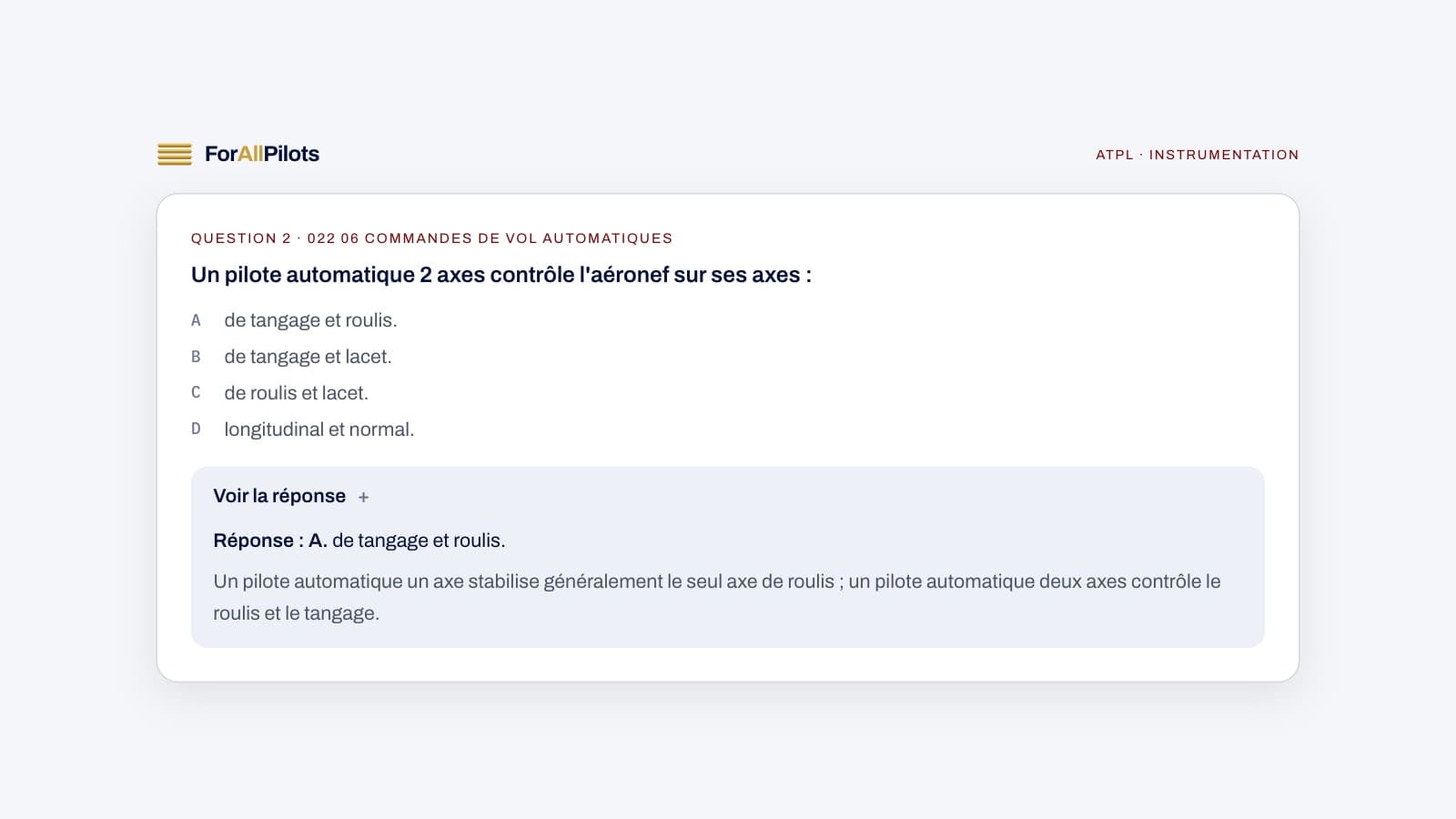
ATPL: Revising the Instrumentation Subject
How to revise Instrumentation for the ATPL: key concepts, common pitfalls, a revision plan and effective training methods.
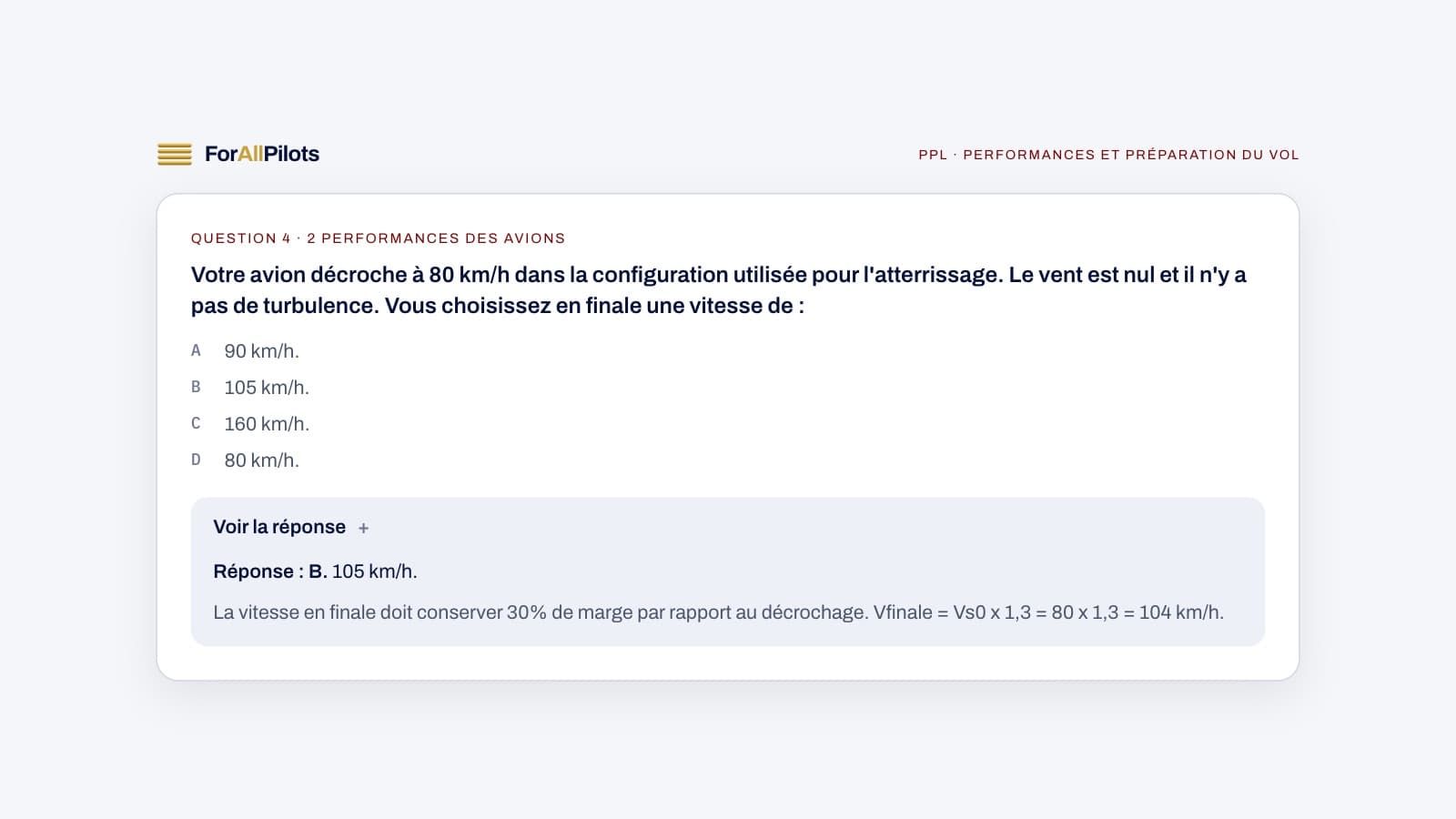
PPL: revising Performance and Flight Planning
How to revise the Performance and Flight Planning subject for the PPL theory exam: key concepts, common mistakes, and a progressive revision plan.
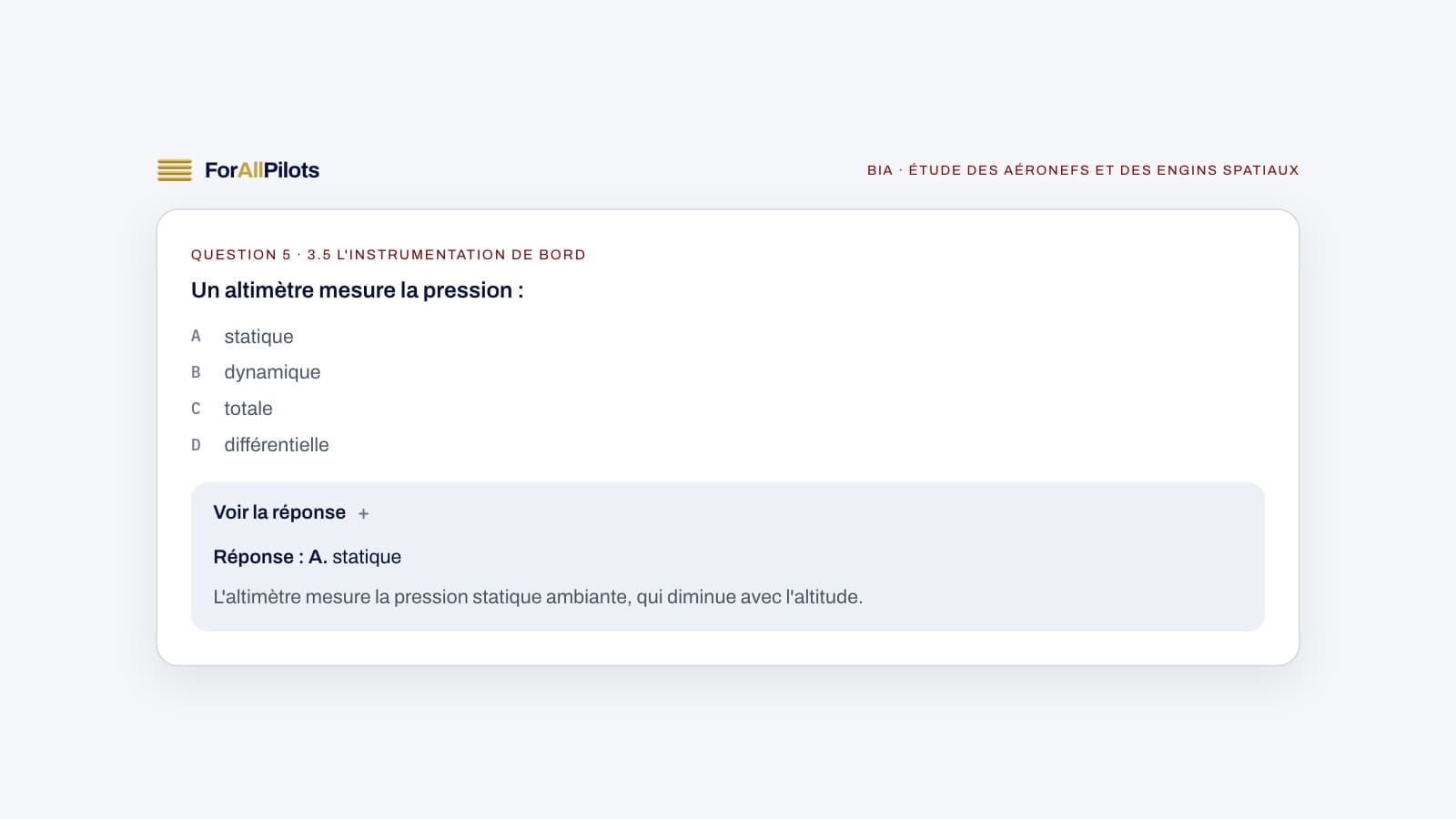
BIA: Revising Aircraft Studies
How to revise aircraft and spacecraft studies for the BIA: key concepts, common mistakes, a revision plan and training method.
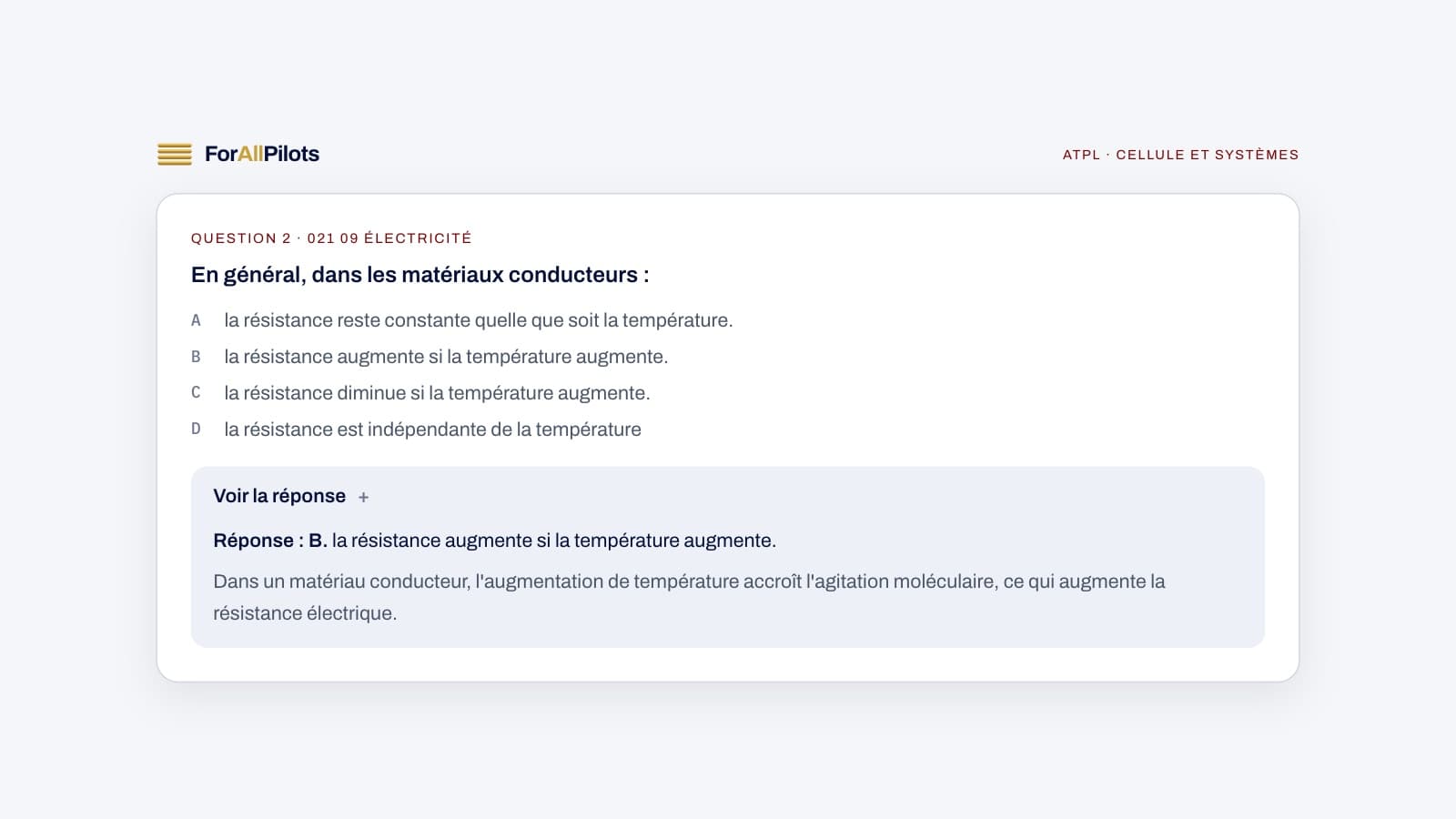
ATPL: revising Airframes and Systems
How to revise Airframes and Systems for the ATPL: structure, hydraulics, pneumatics, a progressive method and classic pitfalls to avoid.

PPL: Revising Aircraft General Knowledge
How to revise aircraft general knowledge for the PPL: key concepts, common mistakes, a revision plan and training method.
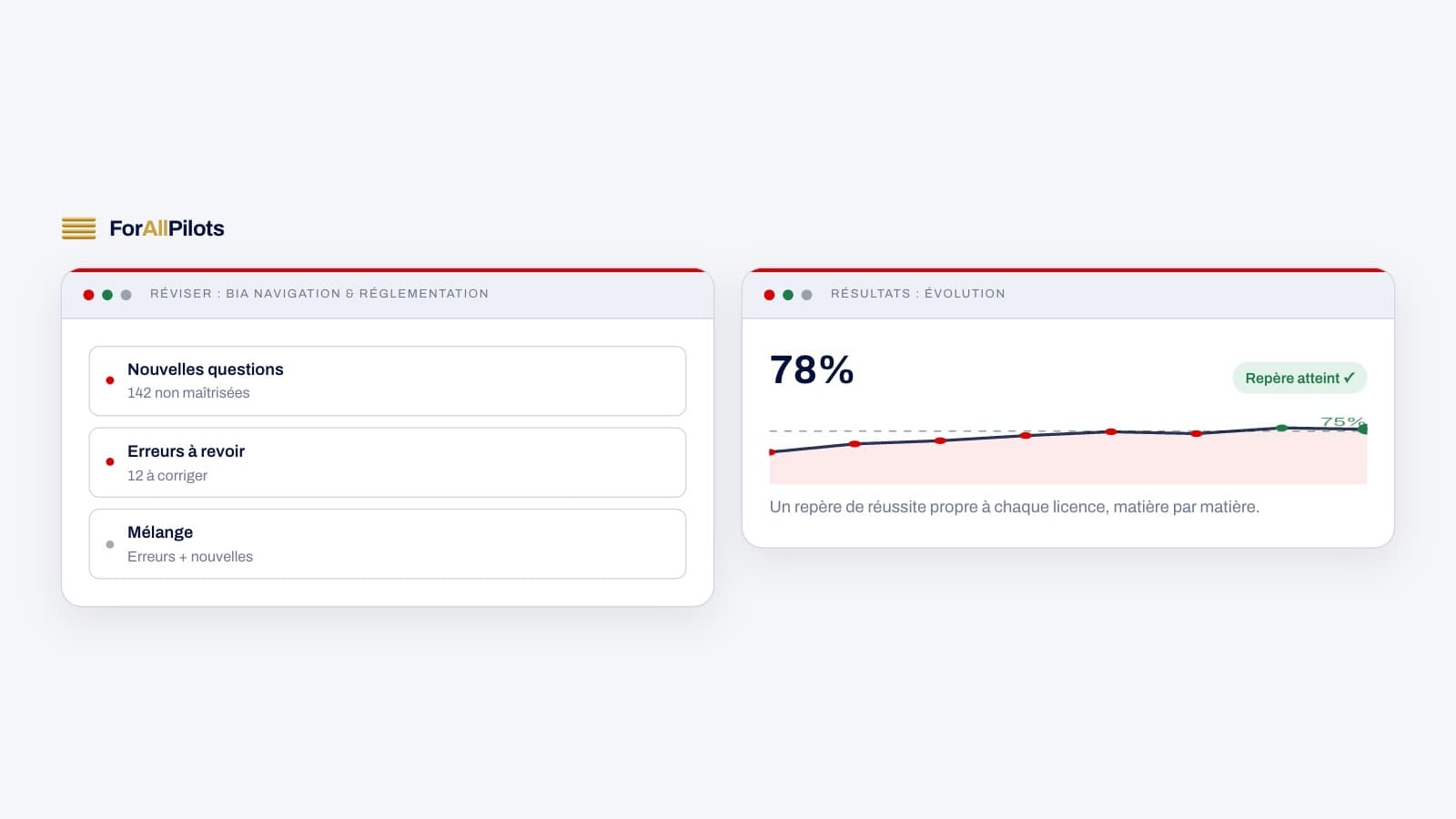
How to Plan Your Revision Schedule for the BIA, PPL or ATPL
Discover how to build an effective revision schedule for the BIA, PPL or ATPL, subject by subject and week by week.
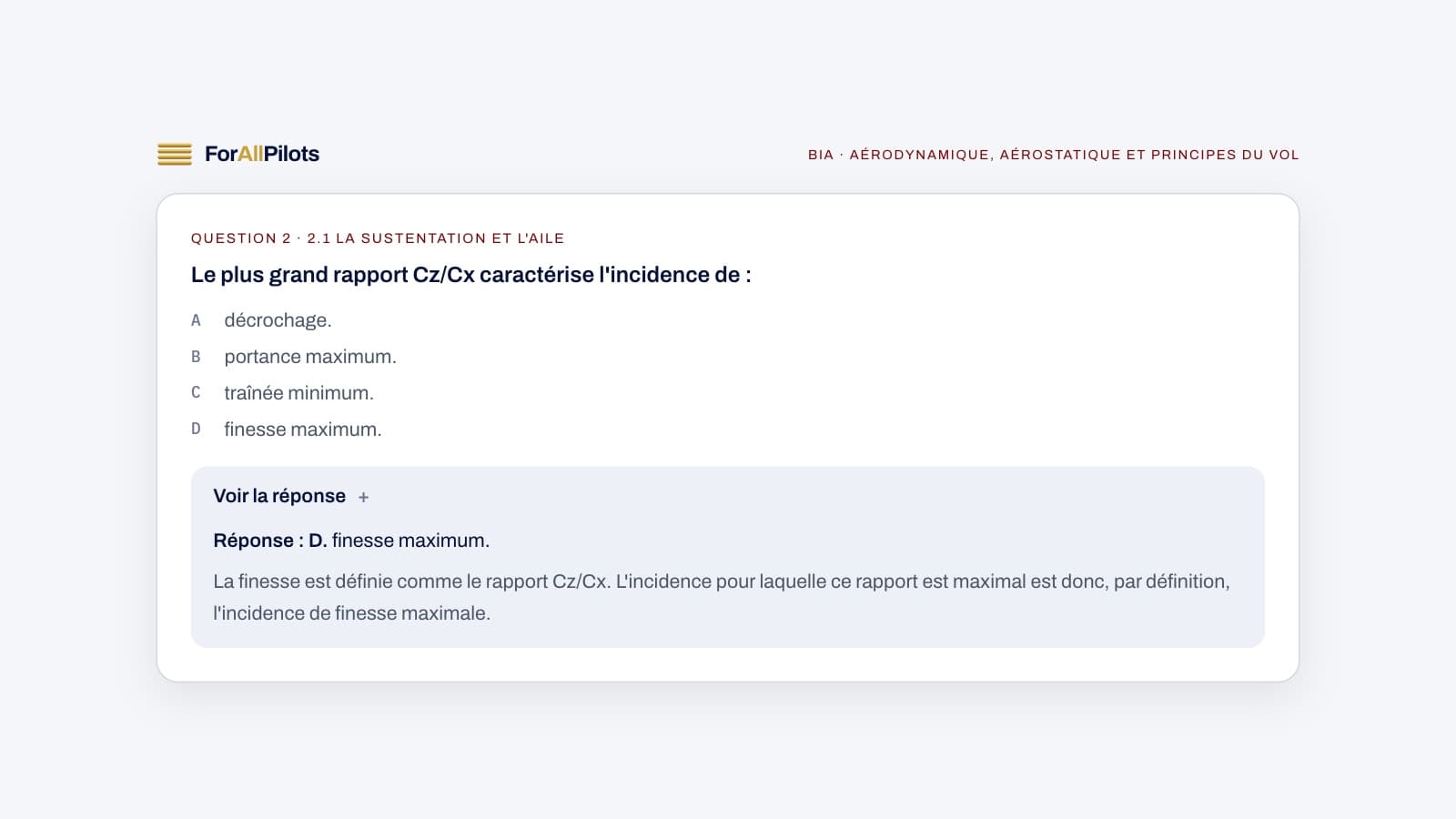
Aerodynamics and Flight Mechanics: How to Revise This Subject from BIA to ATPL
Discover how to effectively revise aerodynamics and flight mechanics, from BIA to ATPL, with a progressive and logical method.
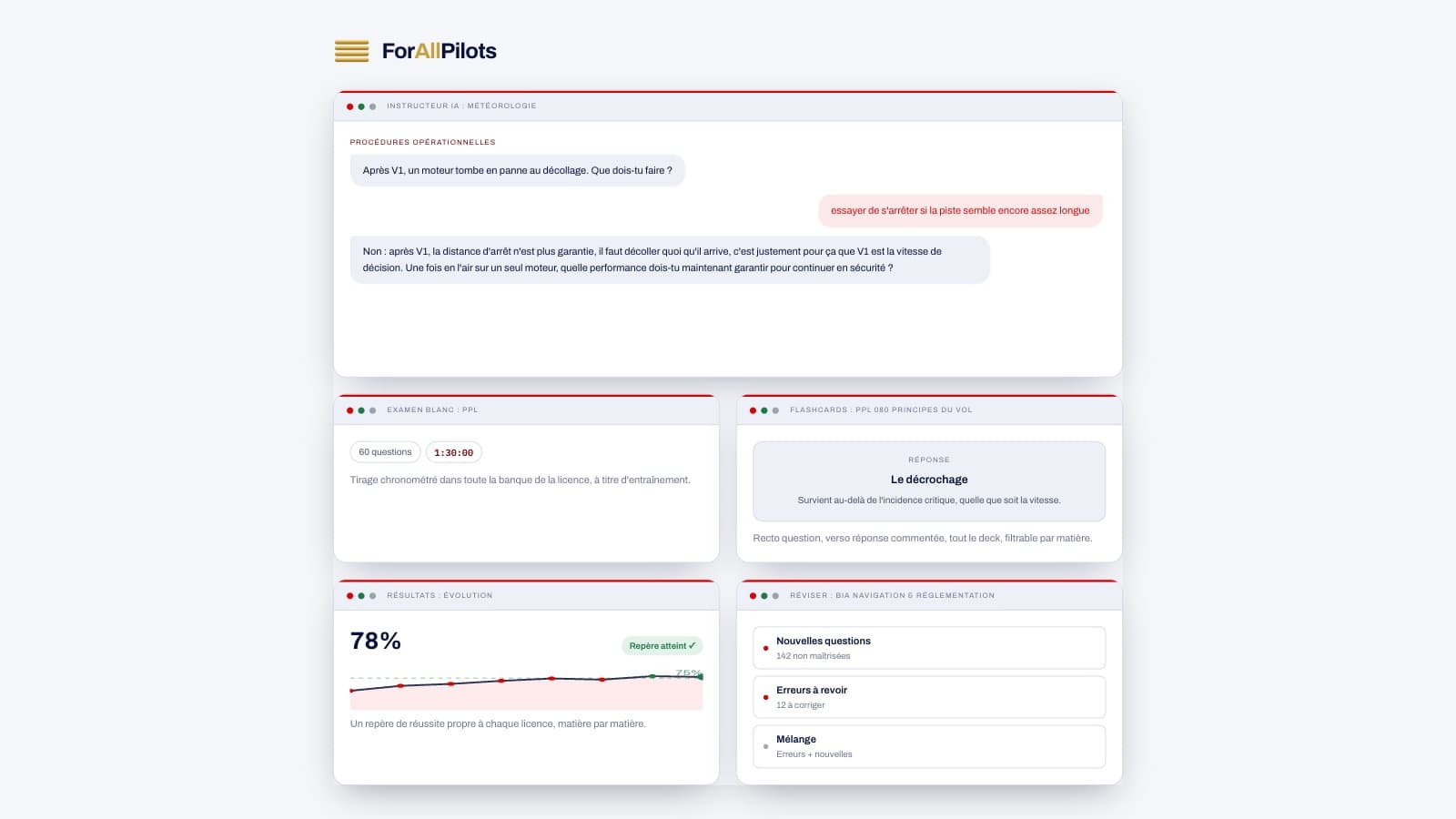
Which question bank should you choose to revise ATPL theory?
ATPL question bank, ATPL MCQs, 14 EASA/DGAC subjects: the criteria for choosing the right ATPL revision resource and studying effectively.
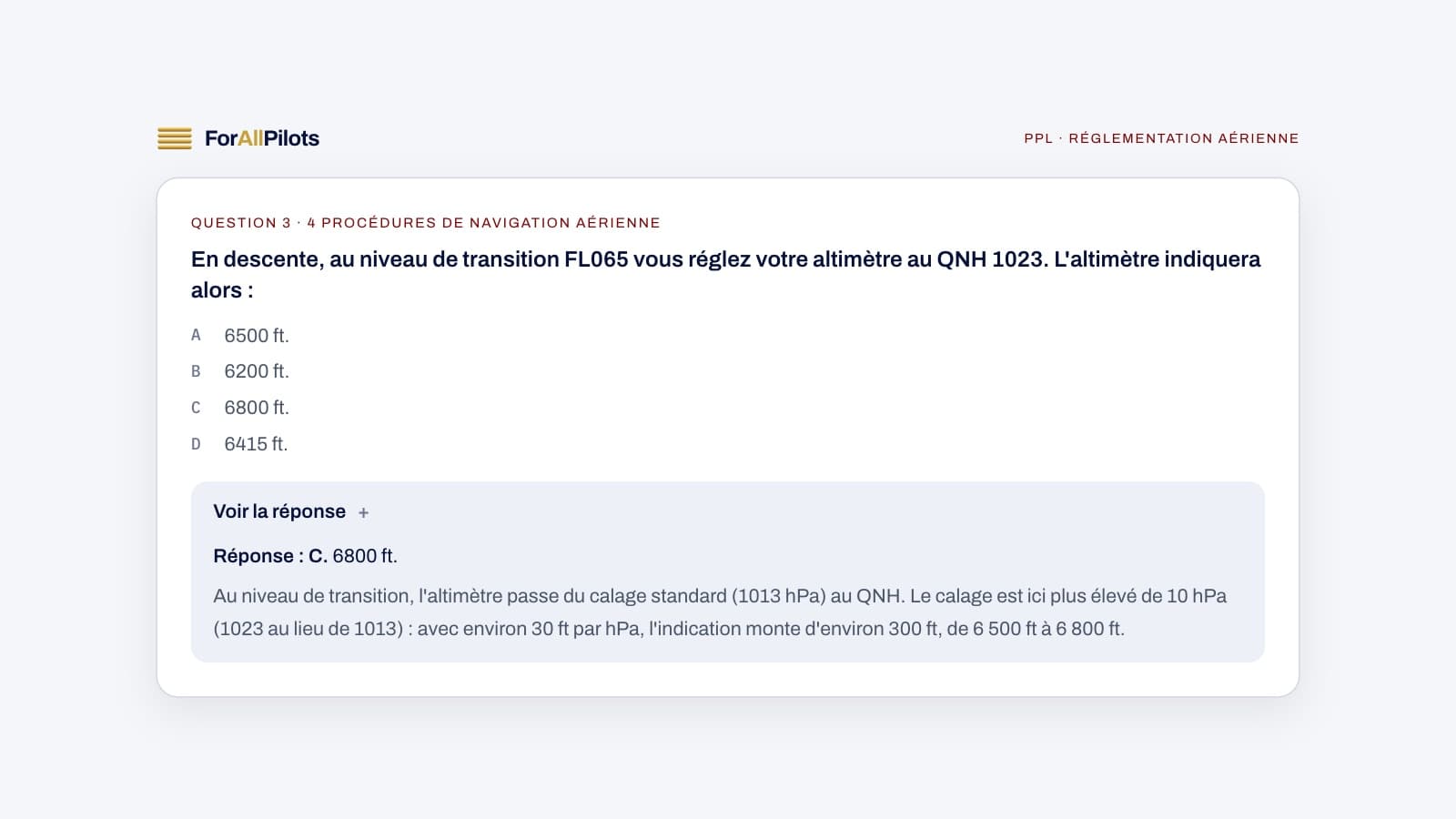
Air Law: How to Revise Effectively from BIA to ATPL
Discover a clear method for revising air law, from BIA to ATPL, without getting lost in texts and cross-references.
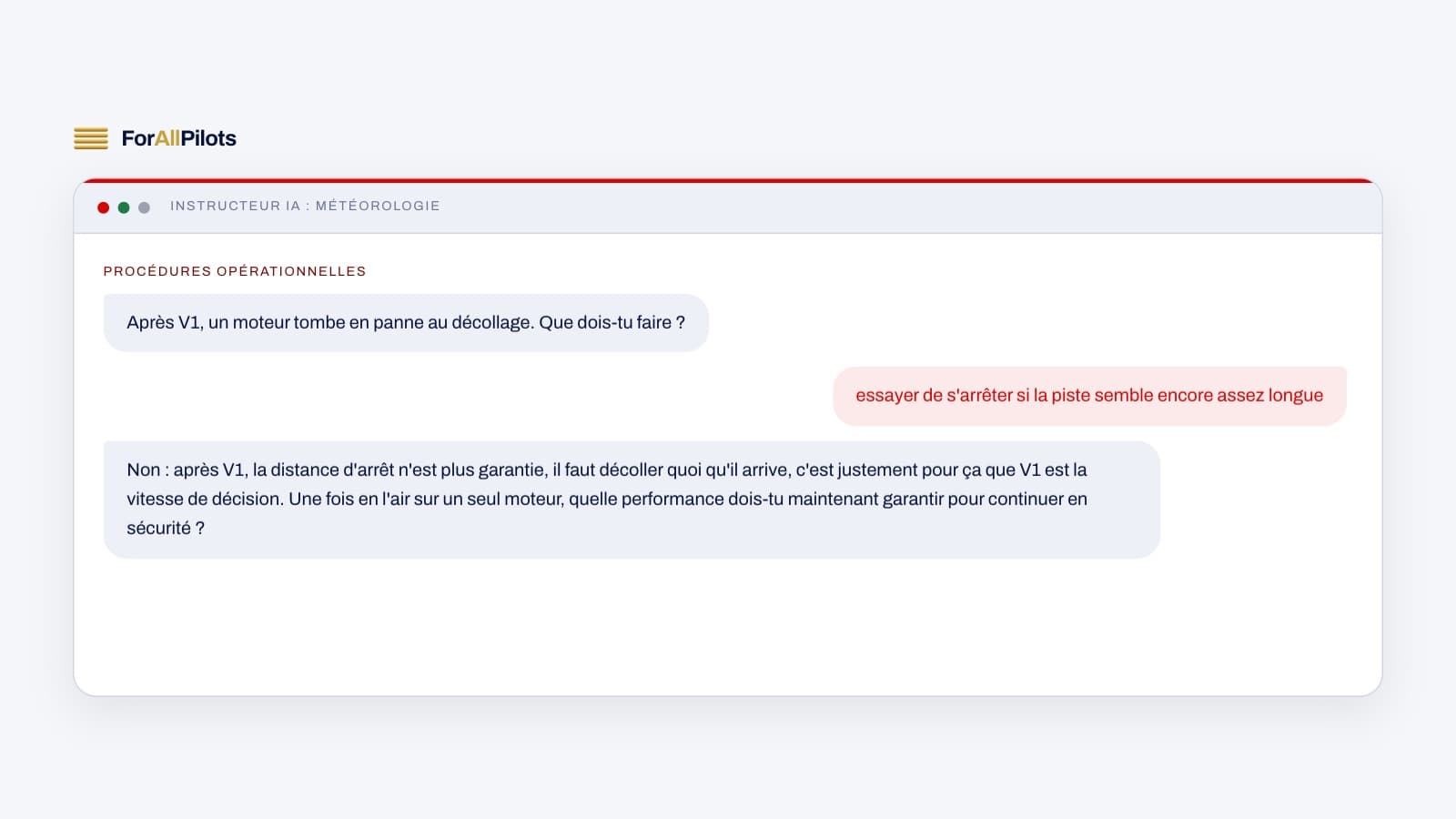
AI Instructor and Selection Coaching: when to use each
The AI Instructor to master the theory module by module, and Selection Coaching to practise for your interview, airline by airline.
The ForAllPilots AI Instructor: Revise Any Time
The ForAllPilots AI Instructor answers your questions module by module, like an instructor or a knowledgeable friend would. A step up from a bank alone.
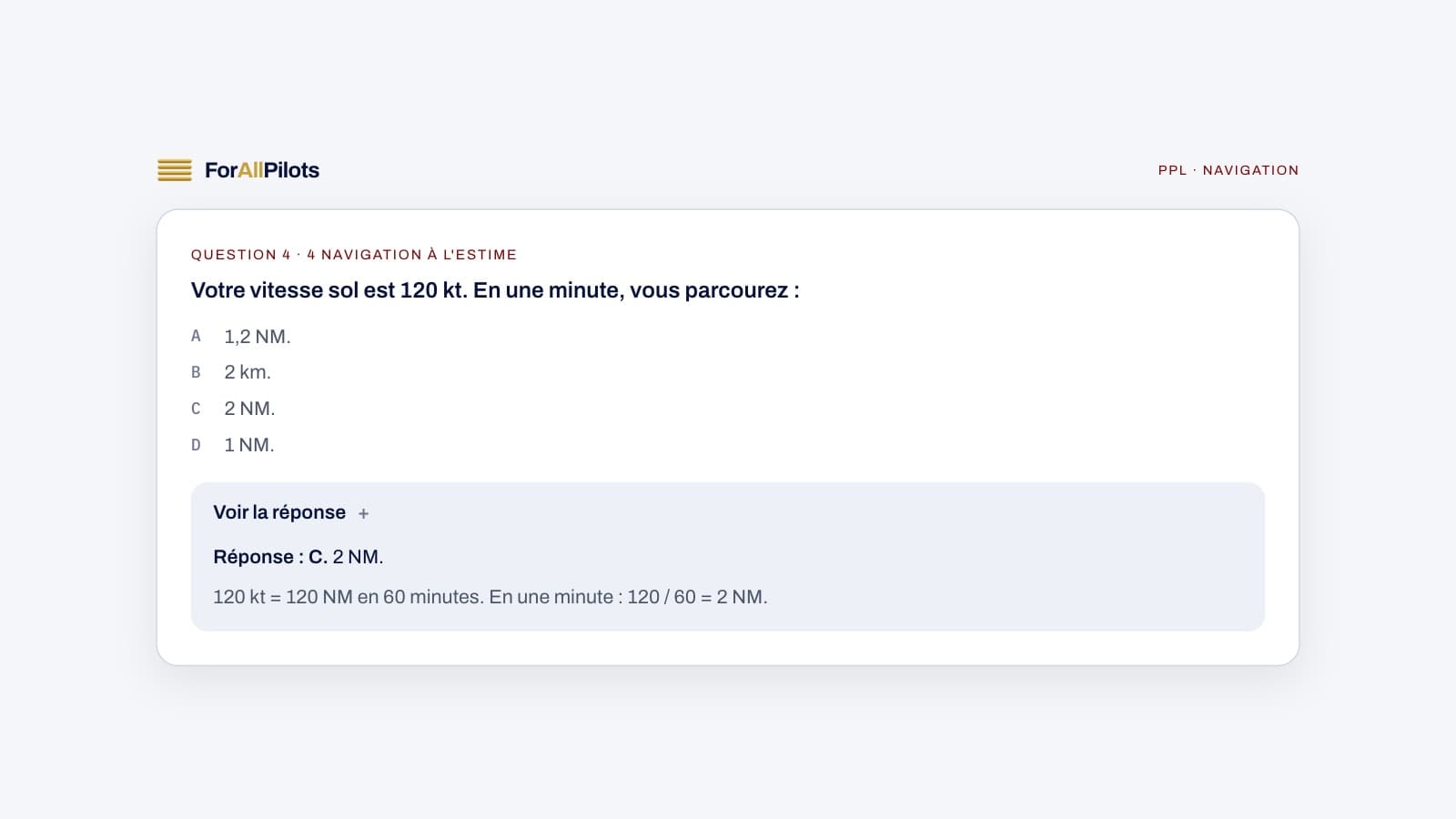
Air Navigation: How to Revise This Key BIA-to-PPL Subject
A practical method for revising air navigation for the BIA, PPL and ATPL: key concepts, common pitfalls and memory tips.
Weather for the BIA: a method to revise without drowning in it
Meteorology scares a lot of BIA candidates. Here's a concrete method to structure your revision and remember what actually matters on exam day.
Aviation news

Elixir Grounded: Understanding an AD
Following the grounding of the Elixir fleet, here's what a student pilot needs to understand about airworthiness directives and the logic behind them.

GTF Advantage on the A321XLR: the basics of propulsion
United Airlines introduces Pratt & Whitney's GTF Advantage on the A321XLR. A good opportunity to revisit the basics of propulsion for the ATPL and PPL.

Air Traffic Controllers' Strike at Charleroi: What the Skeyes Crisis Teaches You About Air Traffic Management
42 flights cancelled at Charleroi due to a Skeyes air traffic controllers' strike: a breakdown to help you understand the role of air traffic control, useful for the BIA, PPL and ATPL.

Another UK Air Traffic Control Outage: What It Reveals About Flight Plans
After the Prestwick outage, a closer look at the role of flight plans and ATC systems, a key topic to master from BIA all the way to ATPL.
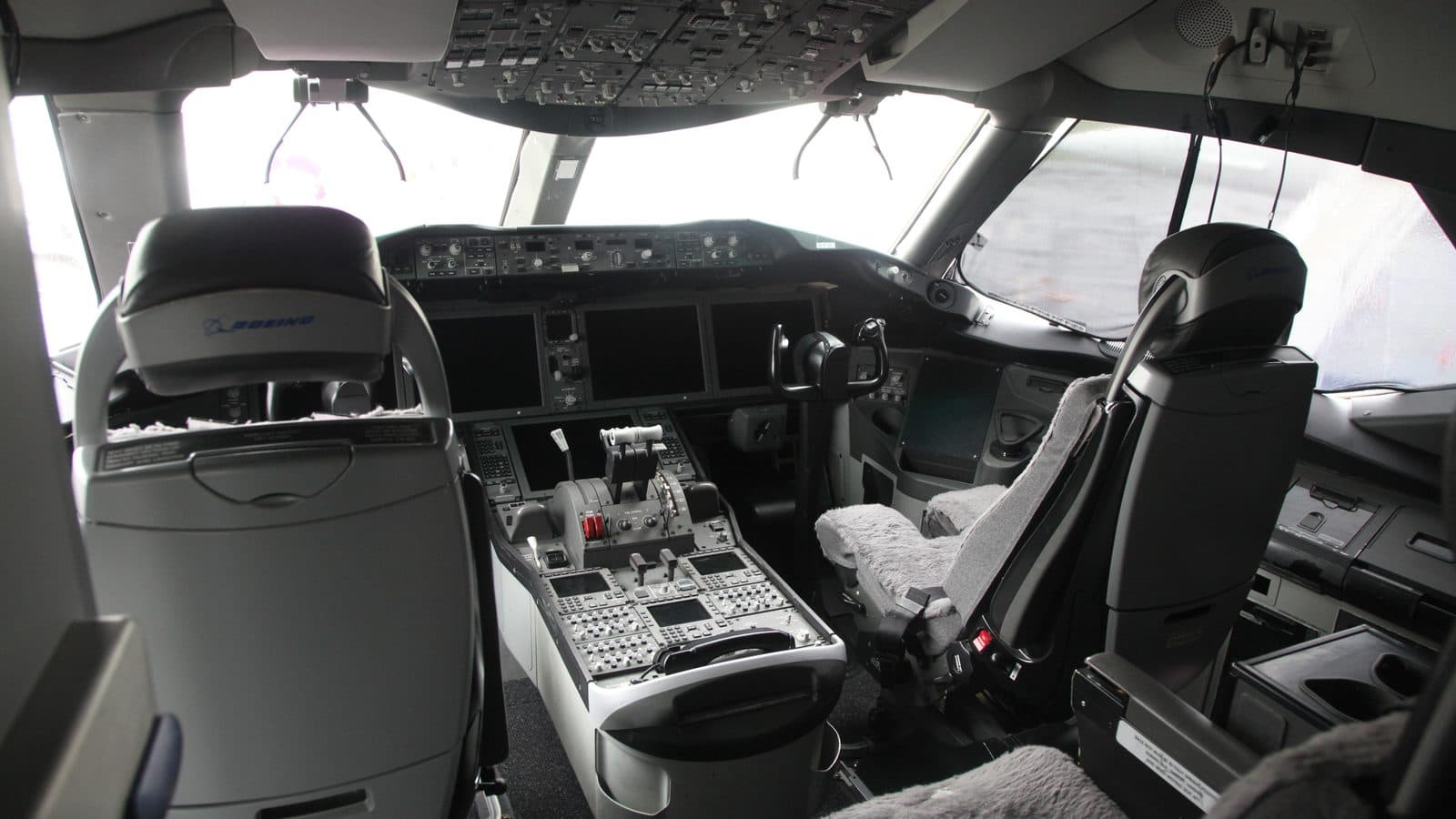
674,000 pilots to be trained by 2045: what the Boeing 2026 report really says
According to Boeing's Pilot and Technician Outlook 2026, 674,000 new pilots will need to be trained worldwide by 2045. Here's what that figure actually means, particularly for Europe.
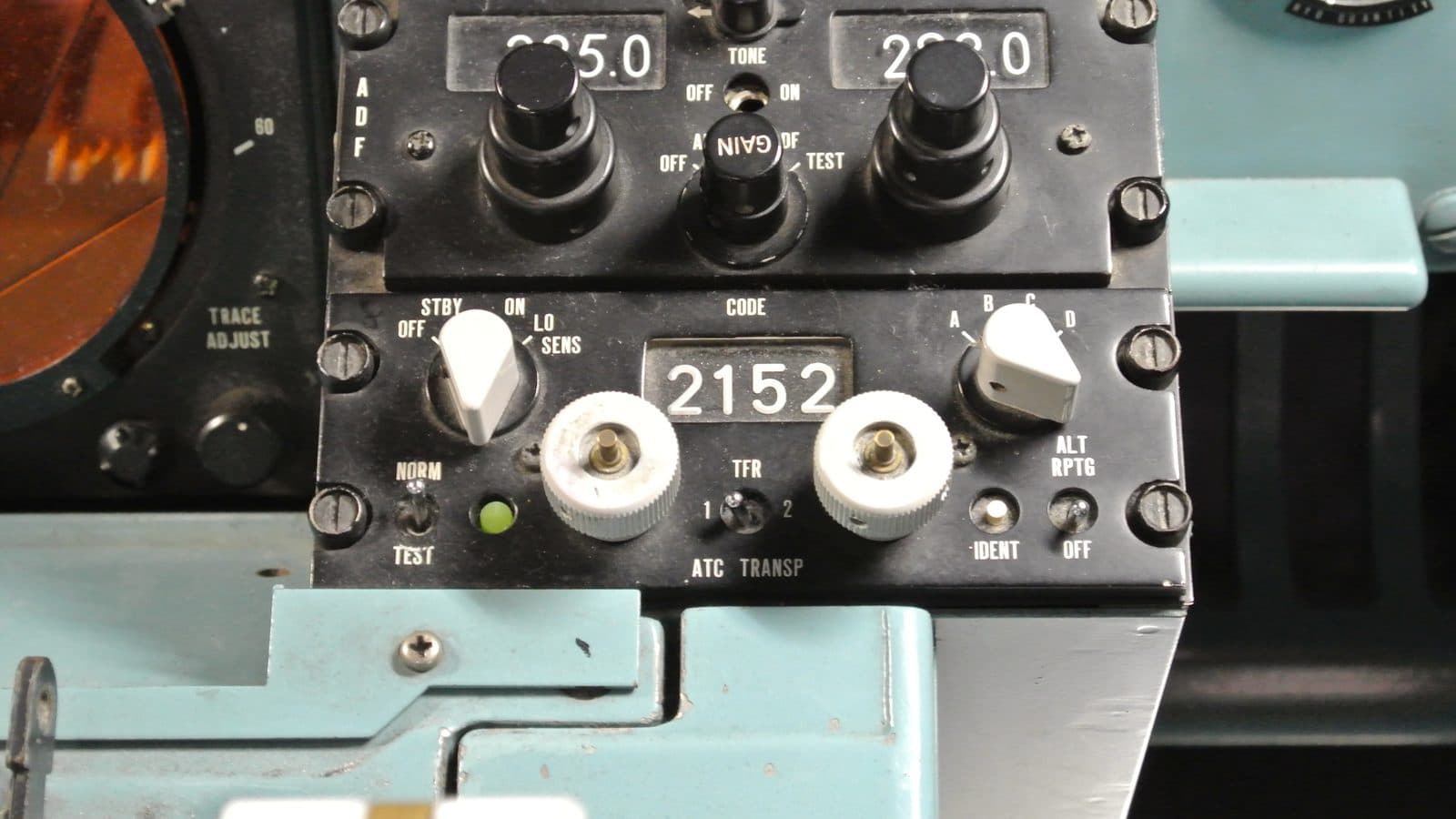
UK Air Traffic Control Glitch: Understanding the Role of Transponder Codes
A look back at the UK air traffic control incident, and a chance to review how transponder codes work for the BIA, PPL and ATPL.