Aviation news
674,000 pilots to be trained by 2045: what the Boeing 2026 report really says
By ForAllPilots · Published · 2 min read
Reviewed and approved by the site's editor before publication. Our method (FR)
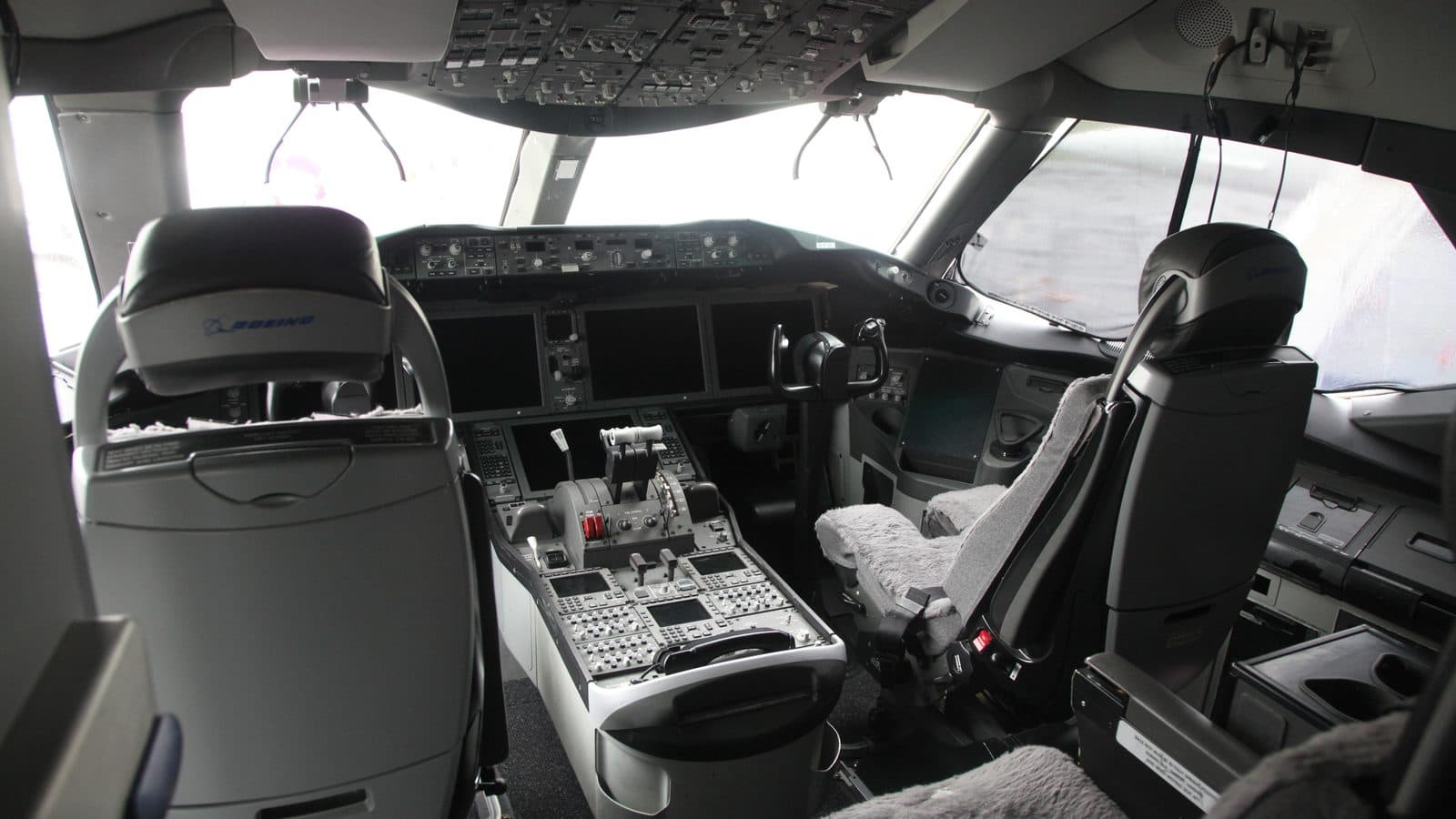
Photo: Daniel Schwen, CC BY-SA 3.0, Wikimedia Commons

Every year, Boeing publishes a report quantifying the world's aviation personnel needs for the next twenty years. The 2026 edition puts forward a striking figure: 674,000 new pilots to be trained by 2045. Here's what that number really covers, and what it concretely means if you're preparing for your BIA, PPL or ATPL.
674,000 pilots, and more than 2.4 million aviation professionals overall
According to Boeing's Pilot and Technician Outlook 2026, global commercial aviation will need 674,000 new pilots between 2026 and 2045. This figure is part of a much bigger picture: 728,000 additional maintenance technicians and 1,023,000 additional cabin crew members over the same period, bringing the total to more than 2.4 million aviation professionals.
On an annual basis, that works out to roughly 33,700 new pilots trained every year worldwide to keep pace over the twenty-year period.
Why such high demand
Boeing attributes this demand to global air traffic growth outpacing broader economic growth, combined with airlines renewing and expanding their fleets. Part of this need simply reflects the replacement of pilots retiring or leaving the profession; the rest accompanies the genuine growth in the number of aircraft in operation.
This is a structural trend rather than a one-off spike: it's based on aircraft orders airlines have already placed and on traffic patterns observed over several years, not on a single isolated forecast.
And in Europe, concretely?
Boeing's report doesn't provide an official regional breakdown. However, the airline pilots' association APNA has calculated, based on the global annual rate, that around 20% of this need would concern Europe — roughly 6,700 pilots trained each year in EASA flight schools. This is only an estimate, not an official Boeing figure, but it gives an order of magnitude consistent with the size of the European aviation market.
APNA highlights an important point: the real challenge isn't just recruiting enough candidates, but giving them training that matches airlines' requirements, with a shift toward competency-based training frameworks (CBTA) rather than simple flight-hour accumulation.
What this means if you're preparing for your BIA, PPL or ATPL
This figure guarantees no one a job: demand for pilots remains real and structural, but it doesn't excuse anyone from building a solid application and mastering the theoretical training. What it really changes is the outlook: training today for your BIA, PPL or ATPL doesn't mean targeting a shrinking market — it means positioning yourself in a sector that will genuinely be recruiting on a large scale over the next twenty years.