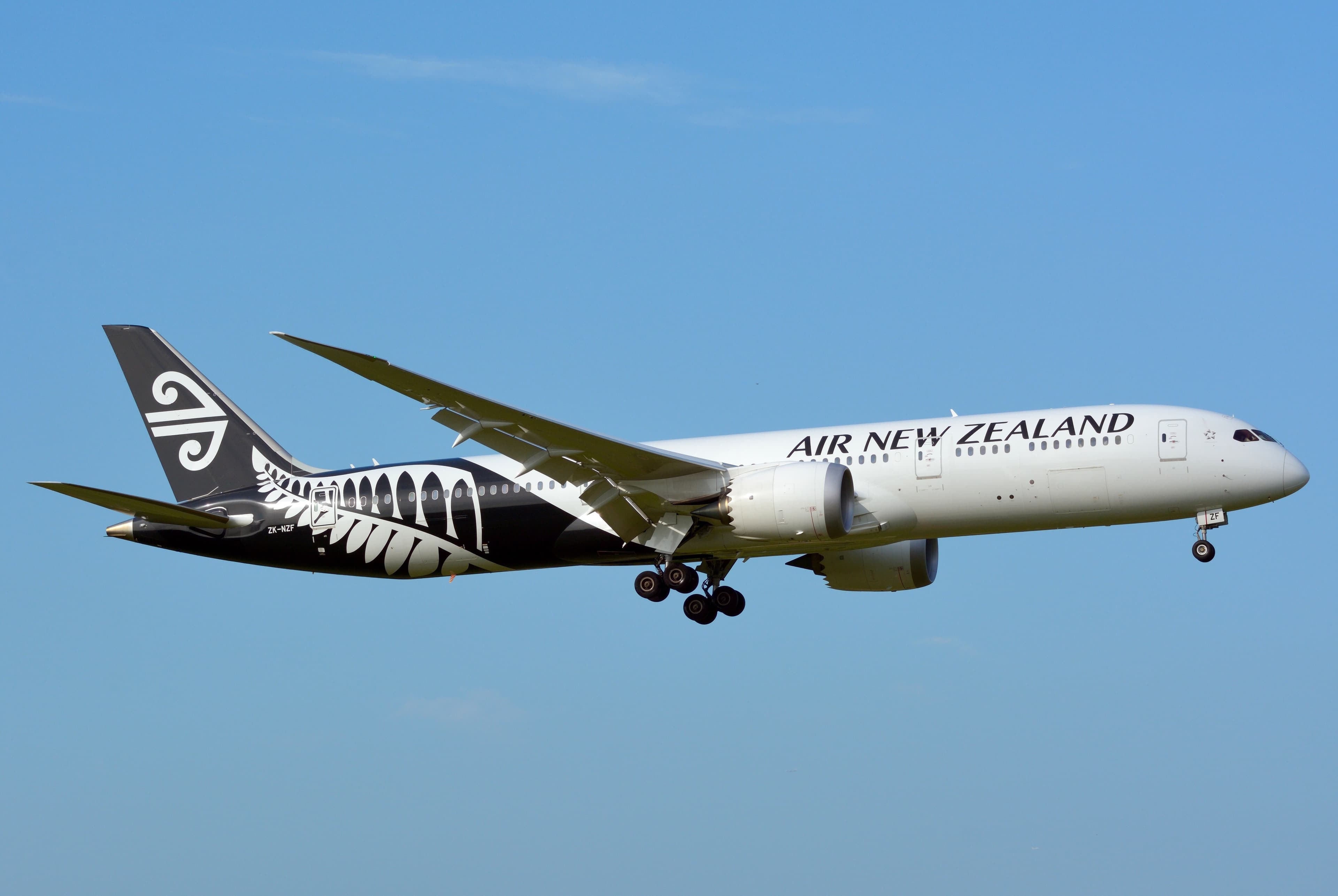
Air New Zealand · First Officer
First Officer Turboprop Fleet (ATR / Dash 8 Q300) - bases in New Zealand
Air New Zealand is collecting expressions of interest from pilots wanting to join its turboprop fleet. The role is a right-hand seat position on the ATR or Dash 8 Q300, with openings across several bases in the country. This entry point can also serve as a pathway to the airline's jet fleet.
- Employer
- Air New Zealand
- Position
- First Officer
- Base
- Several bases in New Zealand
- Aircraft
- ATR / Dash 8 Q300
- Pay (public sources)
- Pay scale not published by Air New Zealand; entry as first officer on ATR or Dash 8 Q300, five-step selection with a two-day assessment in Auckland (2026)
- Seen
- 8 October 2026
Prepare the selection
Prepare for the Air New Zealand selection
The ForAllPilots tools to practise before the tests and the interview. Independent guide, not affiliated with Air New Zealand.
Key points
- First Officer position on ATR or Dash 8 Q300
- Multiple bases across New Zealand
- Can serve as a pathway to the jet fleet
- Recruitment process may take time due to high volume of applications
- Online application only, logbook and licence details required
What the employer asks for
- NZCAA CPL/ATPL licence (full ATPL or all ATPL subjects passed preferred)
- NZCAA MEIR rating
- NZCAA Class 1 Medical certificate
- 500 total flight hours
- 25 night hours
- 40 hours instrument flight time
- NZCAA BTK/BGT endorsements
- L6 English Language Proficiency
- New Zealand citizenship/permanent residency/residency, or Australian citizenship
- Ability to travel overseas with valid passport and visas
- Foreign licence holders may apply while undergoing NZCAA conversion, with Aspeq initial assessment letter required before interview
What the employer offers
- Development opportunities in training, management and projects
- Workplace committed to diversity, equity and inclusion
The selection process
- Submit application online with logbook and licence information
- Application reviewed by the recruitment team
- Contact made if application progresses to next stage
- Candidates encouraged to keep application updated with any changes in experience or qualifications
Summary written by ForAllPilots from the employer's posting. Only the official posting counts: check every condition before you apply.
Legacy long-haul airline
Air New Zealand at a glance
New Zealand's flag carrier and a Star Alliance member since 1999, linking Auckland with Asia, North America and the Pacific and serving a dense domestic network with its regional aircraft.
- Bases
- Auckland (main), Christchurch and Wellington
- Fleet
- Boeing 787-9 and 777-300ER; Airbus A320neo and A321neo; ATR 72-600 and Dash 8 Q300 (Air New Zealand Link regional network)
Pilot recruitment
Entry is typically as a first officer on the ATR or Q300, at bases around New Zealand; jet roles (second officer on the 787/777, first officer on the A320/A321) go first to internal turboprop pilots. Published turboprop requirements: NZCAA CPL or higher, a current instrument rating and MEIR, 500 hours total time, NZCAA Class 1 medical and English level 6; applications are open to New Zealand citizens and residents and to Australian citizens. Jet roles require an NZCAA ATPL (or CPL with all ATPL subjects passed), 1 500 hours including 100 multi-engine, and multi-crew turboprop command or airline jet first officer experience. Selection involves online assessments and a two-day event in Auckland (simulator, interview, exercises); type rating and line training take about three months. Air New Zealand launched an « International Pilot Cadetship » in 2024 and is developing a New Zealand cadetship (« Mangōpare »), currently closed to applications. Check conditions on the Air New Zealand careers page.
Pay and conditions, from public sources
Figures published by the airline, pilot unions or the press, each one dated (last update: October 2026). For information only.
- Pay: neither the careers page nor the first officer posting mentions salary; pay is set by collective agreements negotiated with the NZALPA union (October 2026).
- Entry: pilots start as first officers on the turboprop fleet (ATR or Dash 8 Q300) at several bases around New Zealand, and these pilots get priority for moving to jets (October 2026).
- Turboprop requirements: New Zealand CPL or ATPL (ATPL or all theory exams preferred), MEIR, Class 1 medical, 500 hours total including 25 night and 40 instrument hours, English level 6 (October 2026).
- Nationality: the posting is open to New Zealand citizens or residents and Australian citizens; foreign licences must be converted with the New Zealand authority before any offer (October 2026).
- Direct jet entry: requires, among other routes, 12 months of multi-crew turboprop command, or 12 months as a jet first officer or captain, or equivalent Royal New Zealand Air Force experience (October 2026).
- Selection: application, online tests (cognitive ability, references, logbook), then two days in Auckland with a simulator assessment, interview, written tests and a group exercise, followed by security and medical checks before the offer (October 2026).
- Training: type rating and line training take about three months after an induction phase (October 2026).
- Collective agreement: the regional turboprop pilots' agreement was ratified on 30 September 2022, with gains on job security, allowances and flexible flying according to NZALPA (December 2022).
The Air New Zealand selection, as candidates tell it
What candidates report on forums (Aeronet, Pilot Jobs Network) and what the employer publishes, summarised by ForAllPilots. It is not the official process: it changes from one campaign to the next, always check the posting.
Reliability of the reports : medium
The stages
- Application: the airline assesses the candidate's skills and experience against the requirements of the pilot position.
- Online assessments: forms covering cognitive ability, references and logbook.
- Two-day recruitment event in Auckland: simulator assessment, interview, written assessments and group exercise.
- Pre-employment checks: security vetting (Police and Aviation Security) and an NZCAA Class 1 medical.
- Offer of employment once the checks are passed.
The aptitude tests
- Online cognitive assessment: the airline does not describe its format on its careers page.
- Written assessments during the two days in Auckland: content not specified by the airline.
- Group exercise and interview during the event; the page gives no detail on how they run.
- No recent candidate account could be read on the exact content of these tests.
The technical part
- Simulator assessment during the recruitment event: profile and manoeuvres not published.
- Turboprop first officer (ATR or Q300): NZCAA CPL or higher, instrument rating, NZCAA BTK/BGT, 500 total hours, 40 instrument hours, 25 night hours, ICAO English level 6; ATPL or all ATPL subjects passed is preferred, not required.
- Jet role: NZCAA ATPL, or CPL with all ATPL subjects passed, 1,500 total hours including 100 multi-engine hours, and one of the airline's experience criteria (for example 12 months of multi-crew turboprop command or 12 months as a jet first officer).
Candidates' tips
- Jet vacancies are filled first by internal transfers; former turboprop pilots of the group who left less than 8 years ago are not eligible as external candidates.
- Nationality or residency conditions: New Zealand citizen or resident, or Australian citizen (Australian permanent residents accepted for jets).
- The official page does not describe the test content: check the current process on the airline's site before preparing.
Our exercises to prepare
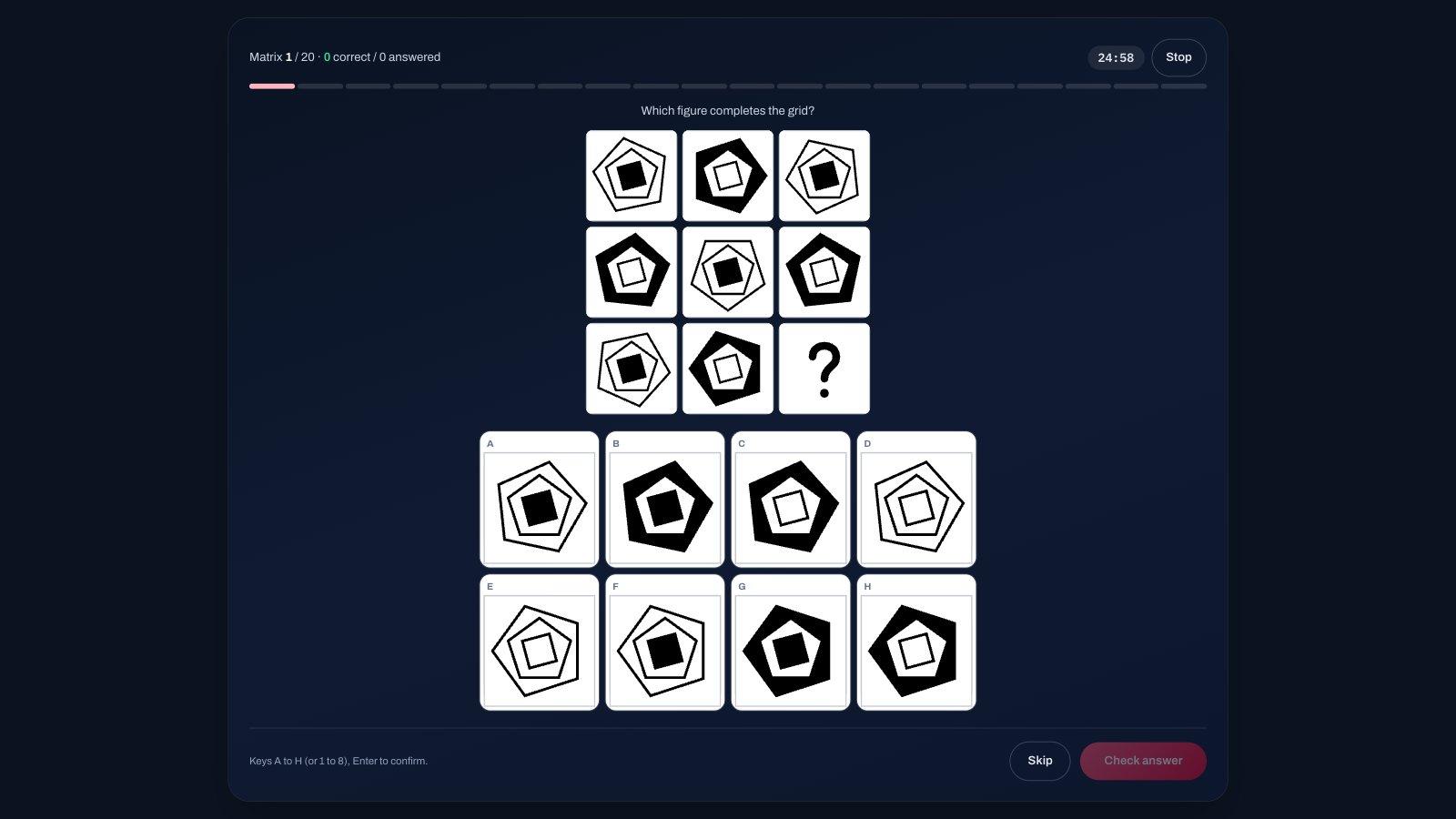
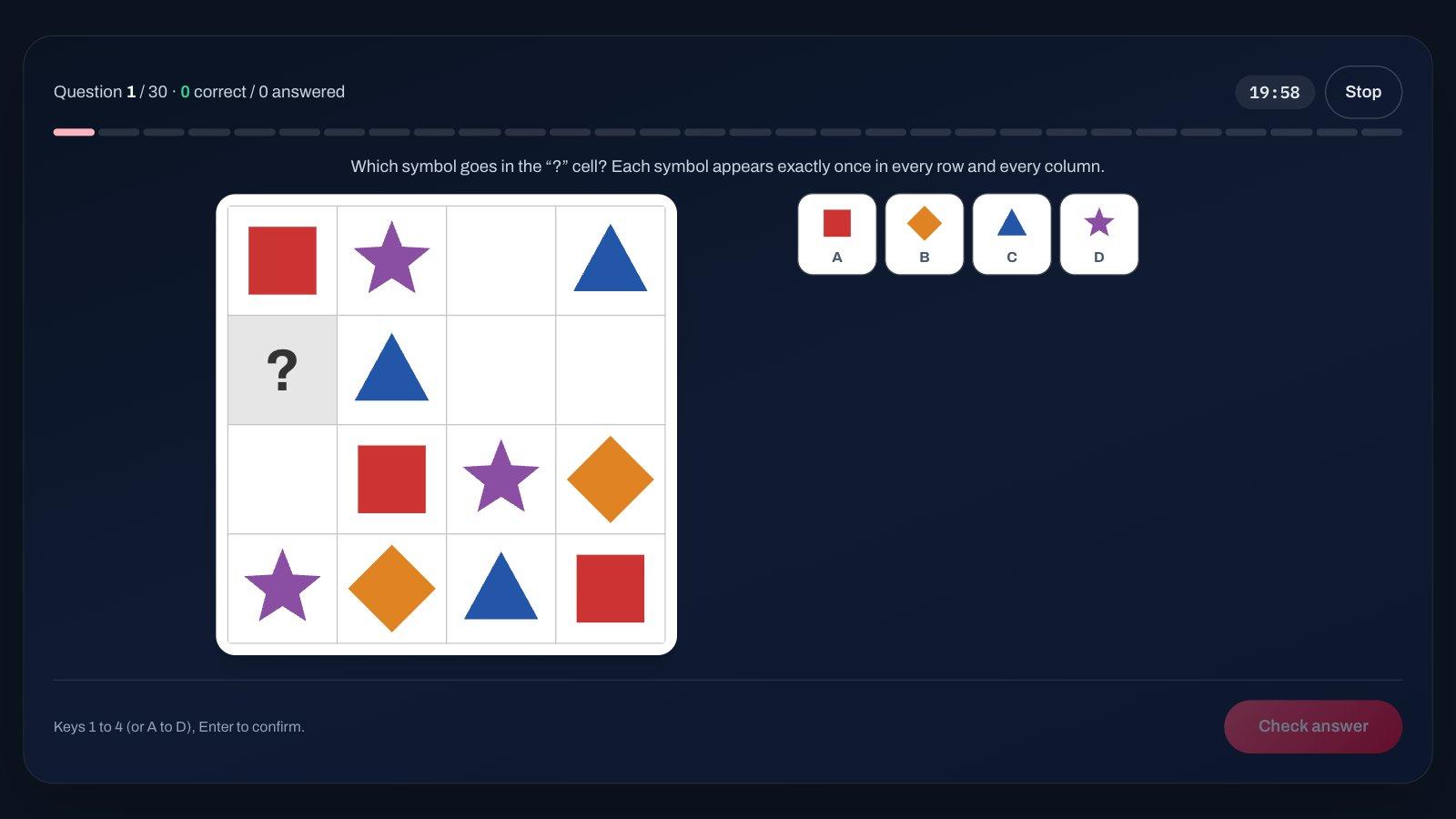
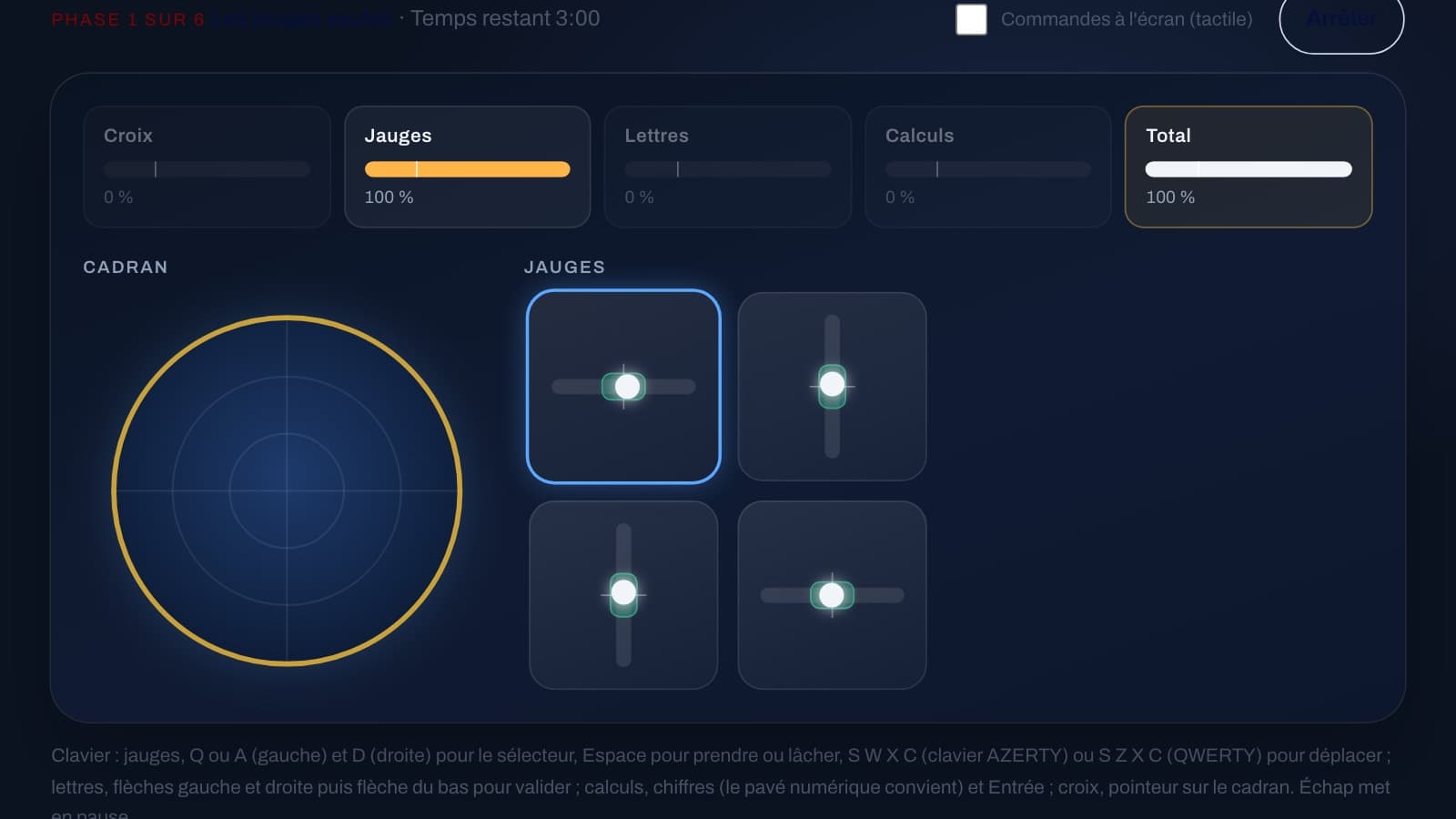
 Créer Mon CV
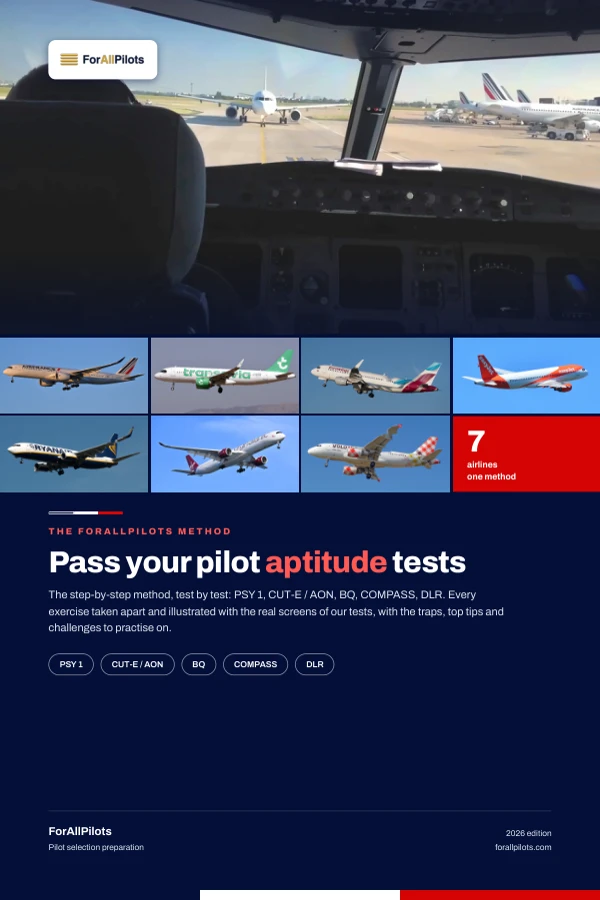
Aptitude tests open almost every selection
An airline, a school or a competition often starts with tests. The book takes each exercise one by one: what it measures, the step-by-step method on a real question from our tests, the traps, top tips and corrected challenges. To really practise, the exercises are on the site.
Pass your pilot aptitude tests · Pilot d'Aqui · 529 pages · Free extract available
Give yourself every chance
A first officer selection usually combines a technical test (ATPL and aircraft knowledge), aptitude tests, a group exercise, an HR and technical interview, then a simulator check.
Revise the ATPL subjects that come up most in technical interviews: performance, meteorology, systems, procedures. Prepare concrete examples of crew teamwork for the interview.
If the posting mentions aptitude tests, practise the most common families of exercises: mental arithmetic, multitasking, orientation, reasoning.